ISO 14001 – Not Only For The Environment, But Also For Sustainable Development
For many years, ISO 14001 has often been perceived as a standard mainly used for wastewater treatment, emissions control, or solid waste management. While this understanding reflects part of its function, it does not fully capture the core role of the standard in modern management.
As operating costs increase, regulatory requirements become stricter, and pressure from global supply chains continues to expand, businesses can no longer separate environmental factors from their operations. What was once considered a “compliance cost” is gradually becoming part of the operational structure.
In this context, ISO 14001 is no longer limited to regulatory compliance. Instead, it becomes a management tool that helps organizations control costs, reduce risks, and shape long-term competitiveness.
What Is ISO 14001? Understanding The Environmental Management System
ISO 14001 is an international standard for Environmental Management Systems (EMS). It is designed to help organizations identify, control, and reduce environmental impacts arising from their operations.
The standard is built on the continuous improvement cycle PDCA (Plan – Do – Check – Act), requiring organizations to:
- Identify and evaluate significant environmental aspects
- Establish appropriate objectives and control measures
- Monitor, measure, and improve based on actual data
When properly implemented, ISO 14001 delivers three core values:
- Ensures legal compliance, in line with regulations such as the Law on Environmental Protection 2020 and related decrees
- Improves ESG performance, particularly in the Environmental pillar
- Enhances credibility with partners and investors through a transparent and verifiable management system
However, if approached purely from a technical perspective, businesses may overlook its most important value: the ability to directly improve operational effectiveness.
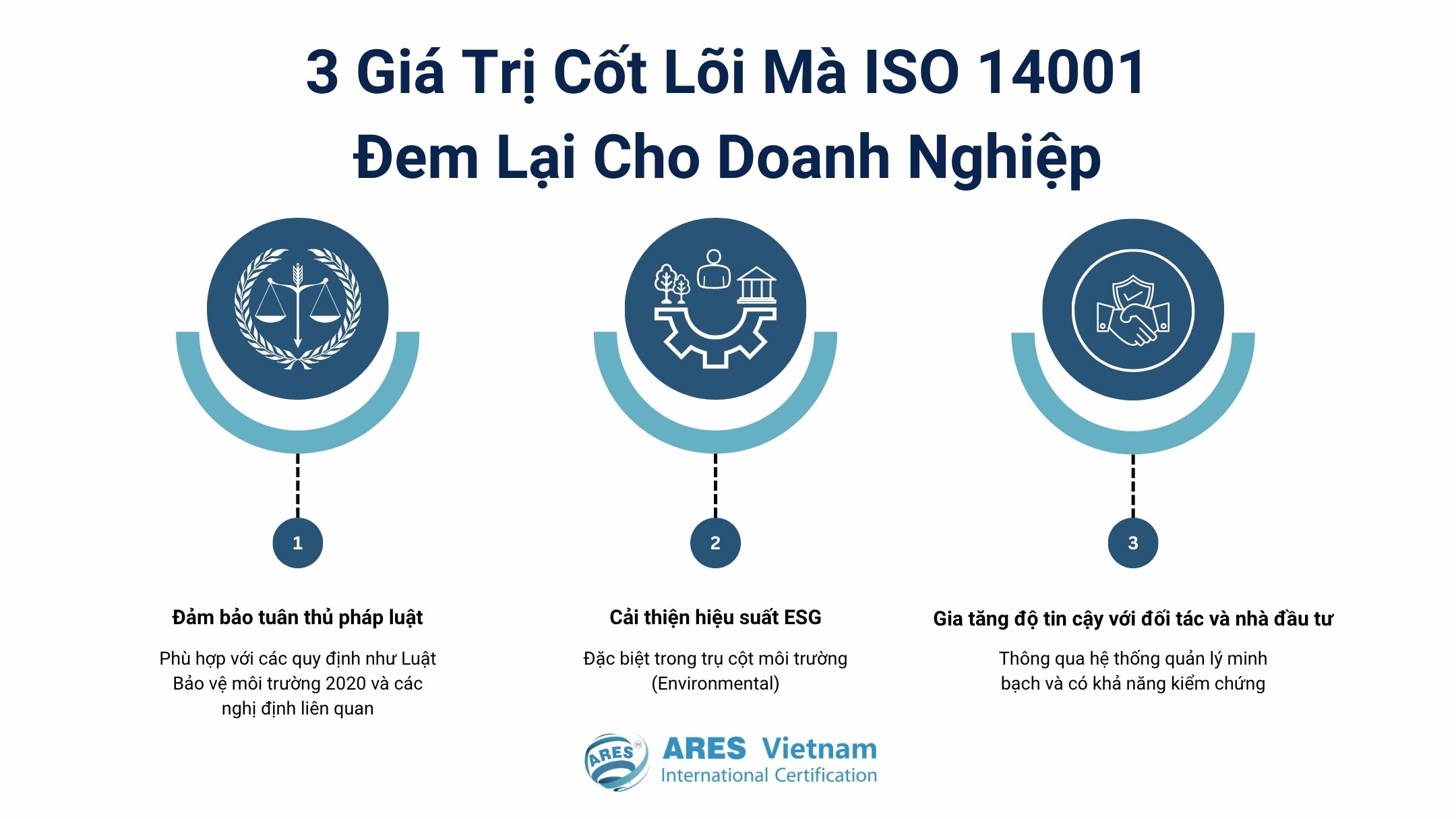
The three core values that ISO 14001 brings to businesses
How Does ISO 14001 Change Business Operations?
In practice, many organizations still make decisions on cost, production, or expansion without fully integrating environmental factors into their evaluation systems. As a result, management gaps emerge, where risks accumulate without timely identification.
ISO 14001 addresses this issue by integrating resources, energy, and emissions into the same framework as cost, productivity, and quality.
As a result, factors once treated as compliance costs become key management variables:
- Energy consumption points are systematically measured and optimized
- Environmental risks are identified early, reducing the likelihood of operational disruptions
- Investment and improvement decisions are based on data rather than intuition
In practical terms, this approach helps organizations uncover hidden costs in daily operations and shift from reactive problem-solving to proactive control.
Once the operational structure is redesigned in this way, the role of ISO 14001 extends beyond internal management.
ISO 14001 And Its Role In Sustainable Development Strategy
Integrating environmental factors into management systems opens a new level of approach: sustainable development.
As resources become more limited and market expectations continue to rise, growth can no longer rely solely on expansion. Organizations need a framework that balances business performance with long-term responsibility.
ISO 14001 serves as a foundation for this transition by:
- Identifying the limits of current operating models
- Anticipating risks before they turn into costs
- Adjusting strategies toward greater efficiency and stability
At this level, sustainable development is no longer a symbolic objective. Instead, it becomes part of the organization’s operational logic.
Moreover, the value of the standard is not only internal. It is also reflected in how the market evaluates business capability.
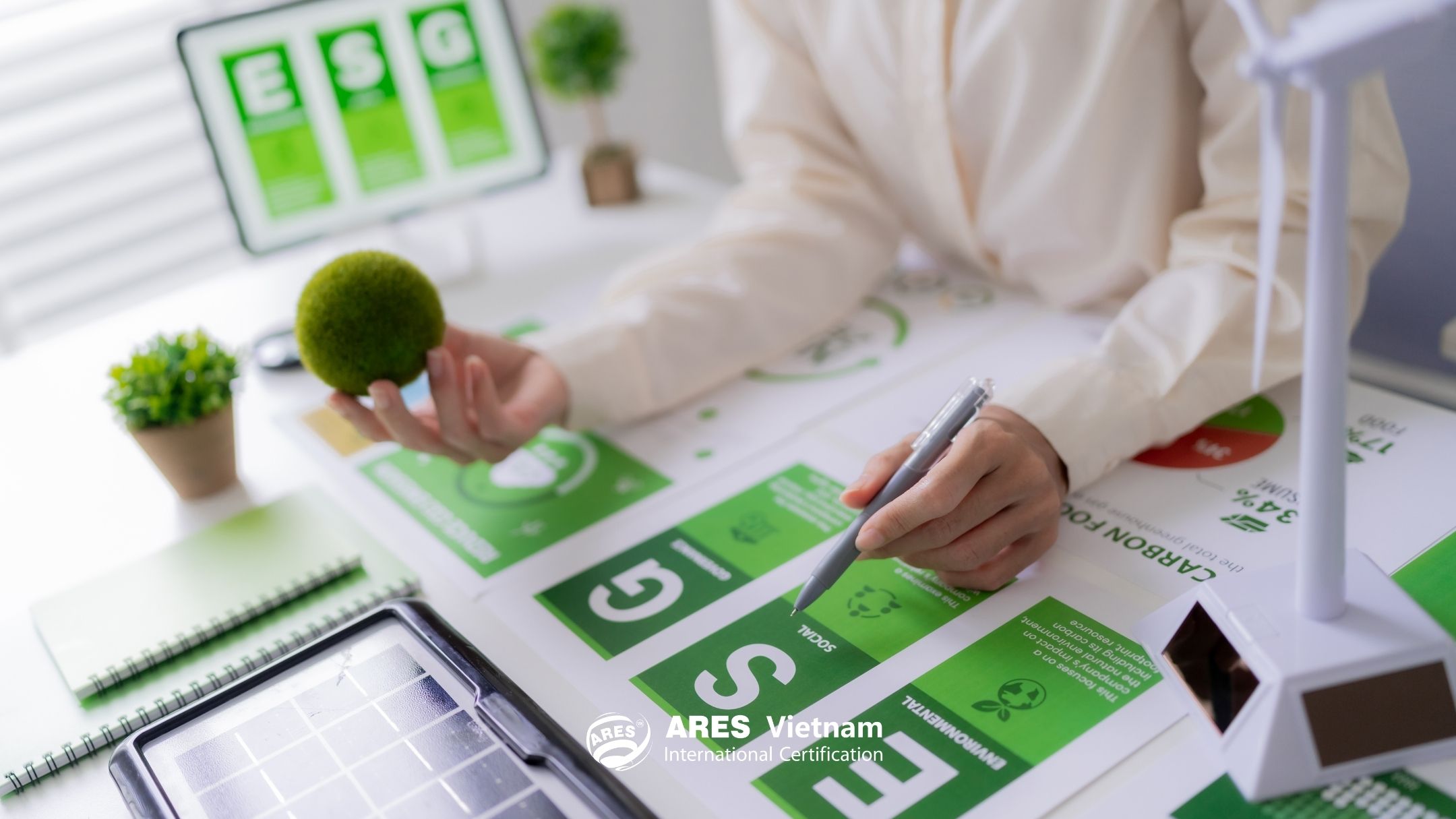
ISO 14001 – its role in a company’s sustainable development strategy
ISO 14001 – A Key Factor For Participating In Global Supply Chains
As multinational corporations tighten supplier selection criteria, environmental management capability has become a critical screening factor.
Therefore, ISO 14001 is shifting from a competitive advantage to a fundamental requirement for entering and maintaining a position in the value chain.
A clear distinction is emerging between:
- Organizations with robust management systems capable of meeting long-term requirements
- Organizations that only react to individual orders
Businesses lacking structured management systems often face challenges such as:
- Difficulty meeting international customer audits
- Limited opportunities to join supply chains
- Barriers in accessing ESG or emissions-related standards
In this context, the key question is no longer whether to adopt ISO 14001, but how to implement it effectively to create real value.
How to Implement ISO 14001 to Create Real Business Value
To fully realize its benefits, ISO 14001 should be approached as a management system upgrade rather than a certification exercise.
An effective roadmap typically includes four stages:
1. Assess current status
Review all operations, supply chains, and emission sources to establish baseline data on resources and related costs.
2. Direction and objective setting
Develop policies aligned with business strategy and define measurable, trackable targets.
3. System development and operation
Establish the EMS and integrate it with existing management systems to ensure consistency and data transparency.
4. Maintenance and improvement
Embed environmental responsibility into daily operations, promote continuous improvement, and enhance overall efficiency.
Through this approach, ISO 14001 not only helps organizations meet external requirements but also creates internal value by optimizing operations and controlling risks.
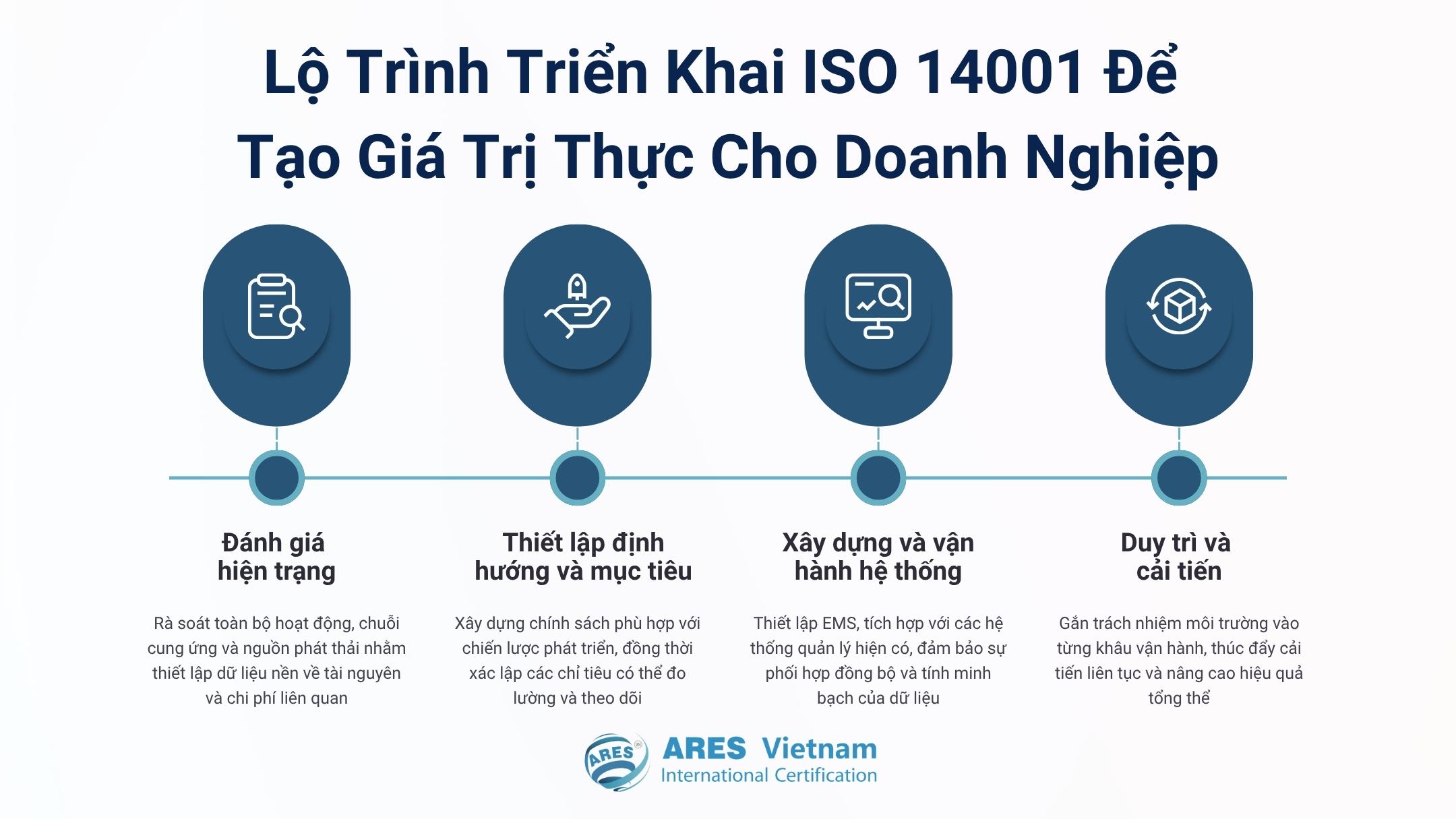
A roadmap for implementing ISO 14001 to deliver tangible value to the business
From Management Foundation To Long-Term Competitive Advantage – With ARES Vietnam
When implemented correctly, ISO 14001 is not just a tool for environmental compliance. It is a foundation for building deep management capability.
As environmental standards become the “common language” of global trade, organizations that proactively establish structured systems will gain a clear advantage in adapting and expanding their markets.
With extensive experience supporting businesses across manufacturing and service sectors, ARES Vietnam approaches ISO 14001 implementation as a comprehensive upgrade of operational systems — not limited to certification, but focused on long-term effectiveness.
If your organization is considering implementation or reassessing its current system, starting with a proper evaluation and a well-defined roadmap can significantly reduce time and optimize costs.
Related news
Circular 49/2026/TT-BCT Takes Effect Soon: Which Environmental Records Should Factories Review?
Read more

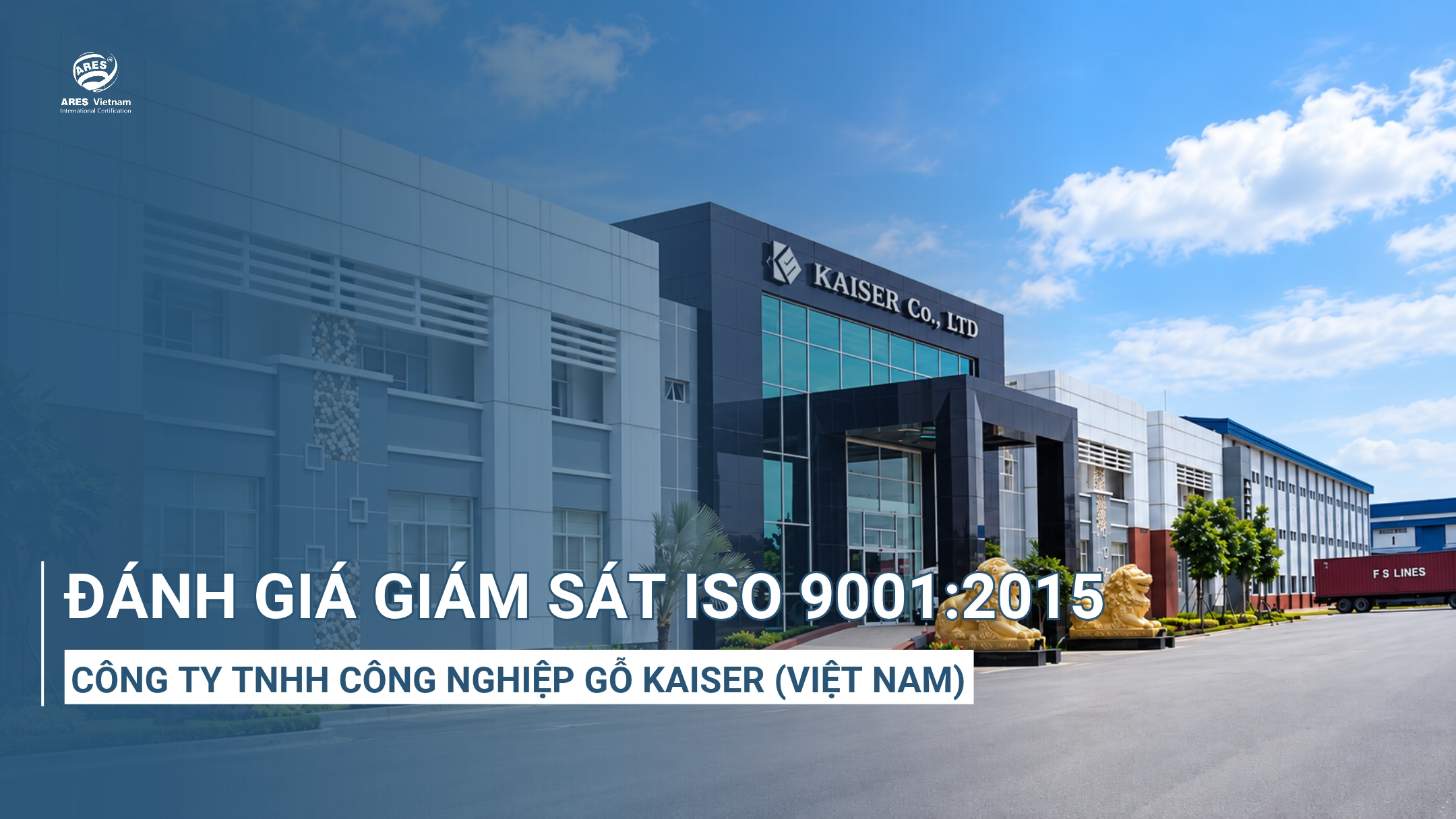
ARES Vietnam Conducts the Second ISO 9001:2015 Surveillance Audit at KAISER 1 & KAISER 2 (Vietnam)
Read more

National Single Window and ASEAN Single Window: What Documents Should Import–Export Businesses Prepare?
Read more
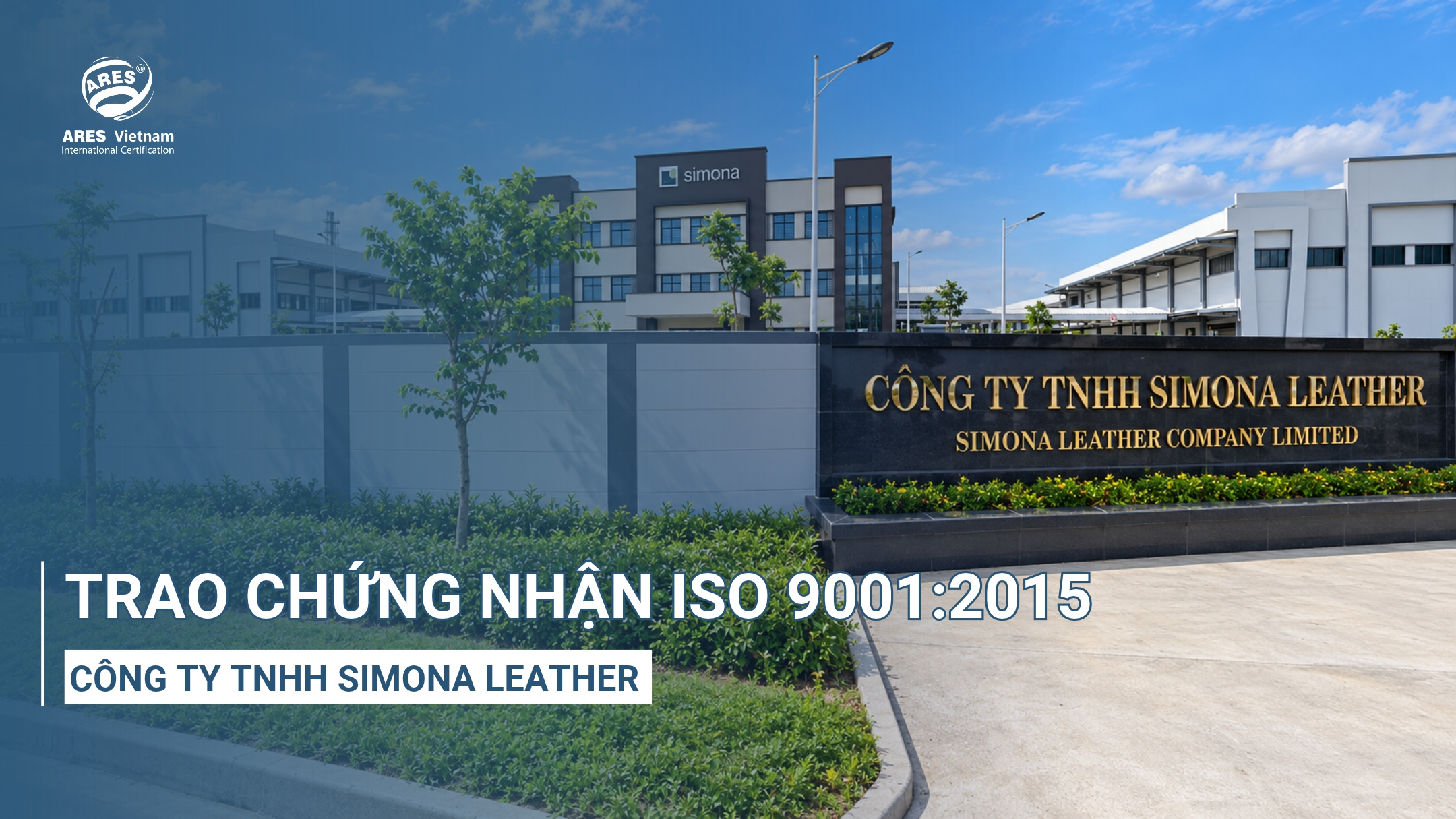
ARES Vietnam Awards ISO 9001:2015 Certification to Simona Leather Company Limited
Read more
ARES Vietnam Conducts ISO 9001:2015 Surveillance Audit at Simona Leather Company Limited
Read more