
HACCP / ISO 22000:2018 / FSSC 22000
A SOLID FOUNDATION FOR ORGANIZATIONS’ FOOD SAFETY MANAGEMENT SYSTEMS
Establishing a well-structured Food Safety Management System is the first step for organizations to effectively control risks, strengthen market trust, and assert their position within the global supply chain

CHALLENGES FROM THE GLOBAL MARKET
Food safety standards are becoming increasingly stringent, requiring food businesses to upgrade their control systems and enhance process transparency.
Strict regulatory standards
Over 80% of export consignments to the EU are subject to rigorous inspection in accordance with HACCP and ISO 22000 standards. Failure to respond – synonymous with losing market opportunities
Increasing traceability requirements
73% of global consumers are willing to pay more for products with clearly certified food safety (Nielsen Survey, 2023)
Food safety incident risks
An uncontrolled incident could cause revenue to fall by up to 30–80% in the first year, causing long-term damage if there is no rapid and transparent response system

WHICH STAGE IS YOUR ENTERPRISE CURRENTLY AT?
Identifying the current position enables enterprises to progress further on their journey toward achieving international standards
In the process of standardizing food safety management systems, businesses typically fall into one of the following three stages:

Intuitive management: No standardized procedures in place; operations rely heavily on individual experience, resulting in a high risk of errors

Reactive management: Documented procedures exist, but control and supervision are insufficient; food safety risks remain present

Proactive and standardized management: A clearly structured control system is established; operations comply with HACCP and ISO 22000, ensuring transparency and effective risk management

HACCP / ISO 22000:2018 / FSSC 22000 – WHERE DO THE DIFFERENCES LIE?
This framework of standards provides the foundation for enterprises to control risks, meet legal and market requirements, and protect consumer health
HACCP: A systematic approach based on hazard analysis and control of critical points, aimed at preventing food safety risks from the very beginning of the production chain
ISO 22000:2018: A food safety management system standard that integrates HACCP with other management requirements, enabling the establishment of a comprehensive control process from raw materials to final products
FSSC 22000: An advanced version of ISO 22000, incorporating additional in-depth requirements aligned with GFSI, making it the optimal choice for enterprises targeting export markets and participation in global supply chains


HACCP – Hazard control at critical points


ISO 22000:2018 – Comprehensive system management


FSSC 22000 – Advanced global standard

Which types of organizations are required to obtain HACCP, ISO 22000:2018, or FSSC 22000 certification?
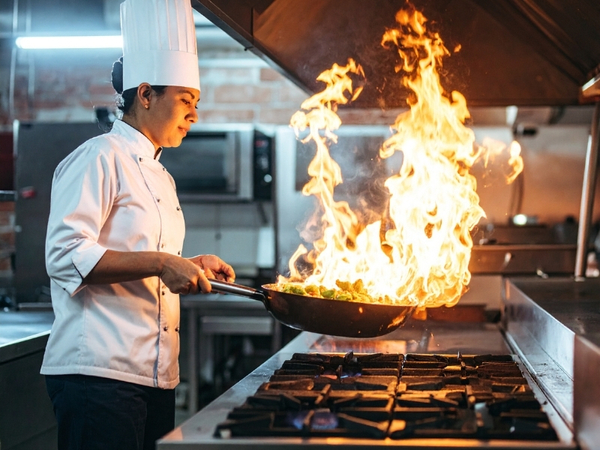
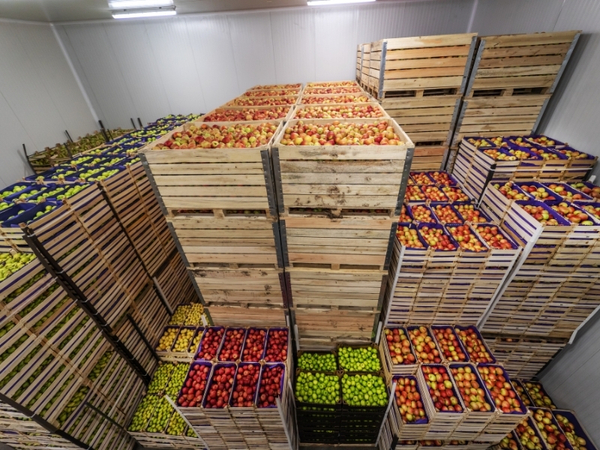
This set of food safety standards applies to all links in the supply chain—from production and processing to distribution and consumption—helping organizations enhance management effectiveness, control risks, and strengthen brand credibility. Specifically, it includes:

SPECIFIC IMPACTS AFTER IMPLEMENTING HACCP / ISO 22000:2018 / FSSC 22000

Achieve International Export Standards
Increase the proportion of compliant shipments by adhering to technical requirements and ensuring transparent traceability

Minimize Risks and Losses
Prevent food safety incidents, reduce handling and recall costs, and mitigate legal risks
Standardize Internal Operations
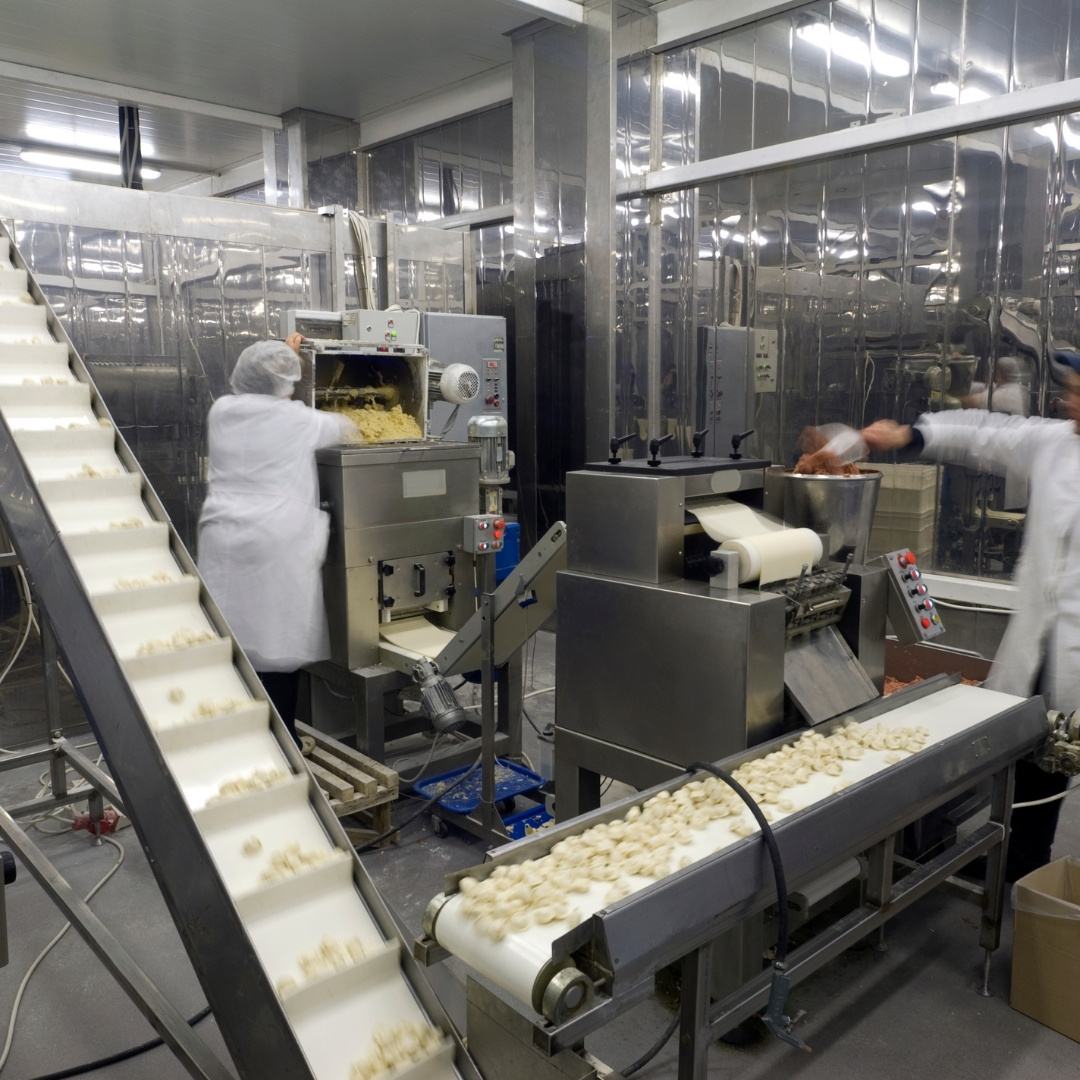
Establish clear procedures to facilitate employee training, supervision, and consistent quality maintenance

Shorten Approval Processes
Accelerate inspections and assessments from partners and regulatory authorities, enabling faster market entry for products

Enhance Credibility in International Cooperation
Strengthen trust with partners and elevate the organization’s standing in negotiations and contract agreements

Increase Competitive Advantage
Create favorable conditions for participation in global retail ecosystems, distribution chains, and e-commerce platforms.

GLOBAL NETWORK
CONNECTING TO INTERNATIONAL FOOD STANDARDS
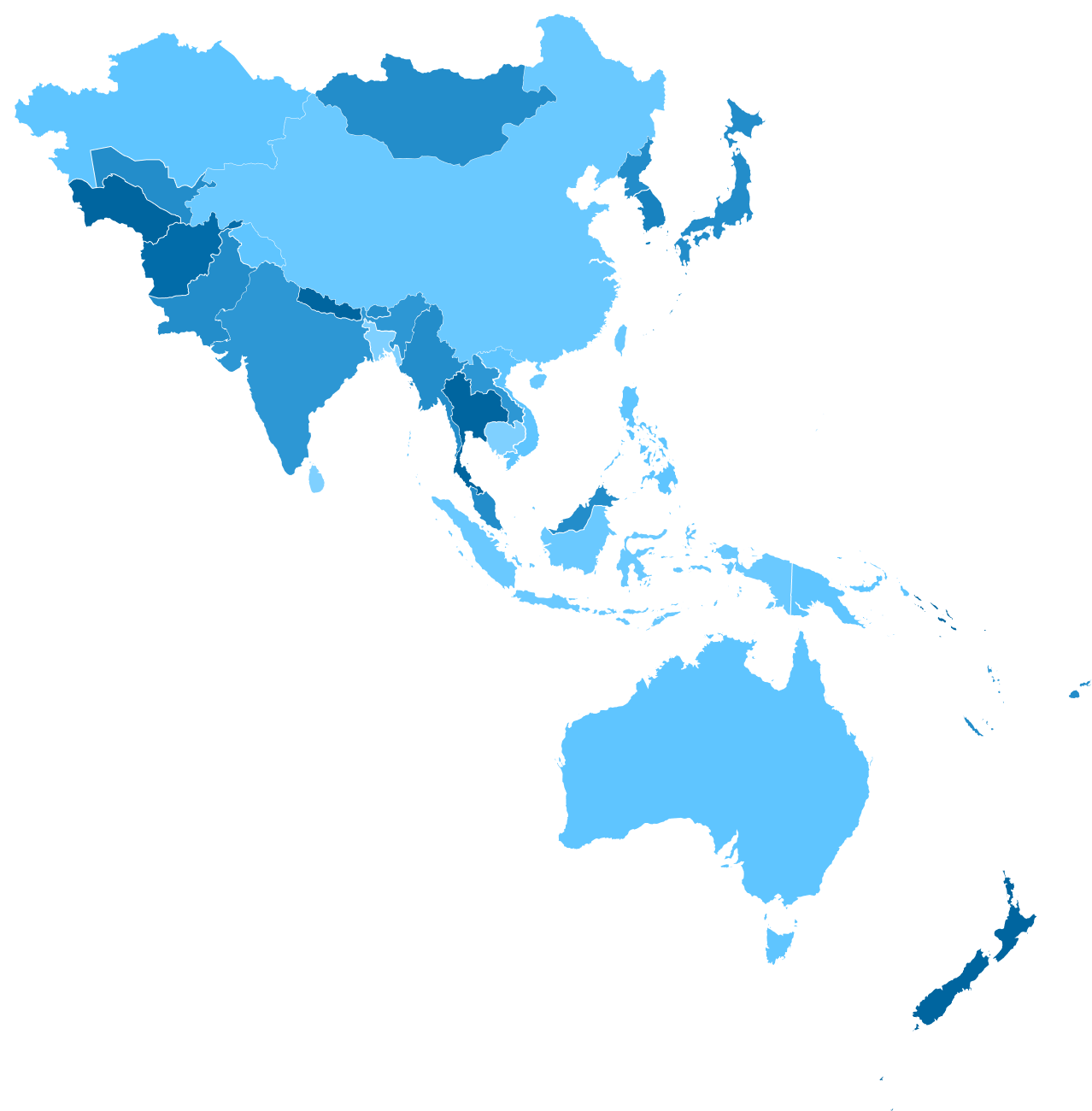
As a member of the international certification network ARES, ARES Vietnam supports Asian businesses in achieving HACCP, ISO 22000, and FSSC 22000 certification – contributing to enhanced competitiveness and global integration
ARES branches worldwide:
China


China
No. 2, Haitong 1st Road, Nansha District, Guangzhou City, China
No. 250, National Highway 2, Huaqiao Town, Kaishan, Suzhou City, Jiangsu Province, China
Vietnam

Vietnam
5th Floor, The Mira Hotel, Binh Duong Avenue, Thu Dau Mot Ward, Ho Chi Minh City, Vietnam
Taiwan

Taiwan
8F-2, No. 141, Hougang Road, Shilin District, Taipei City, Taiwan
No. 3, Alley 45, Zhongshan Road, Taoyuan City, Taiwan
3-3F, No. 1151, Zhongping Road, Beitun District, Taichung, Taiwan
No. 12-2, Alley 187, Wenbing Road, Anping District, Tainan City, Taiwan
Singapore

Singapore
#04-04, CES Centre, 171 Chin Swee Road, Singapore
Indonesia

Indonesia
Sahid Sudirman Building, Karet Tengsinentral, Jakarta, Indonesia
HACCP / ISO 22000:2018 / FSSC 22000
CERTIFICATION PROCESS
AT ARES VIETNAM
A 6-step standardised process, accompanying organisations from consulting to certification

CONTACT ARES VIETNAM
Please contact ARES Vietnam via our hotline or official social media channels

RECEIVING REQUIREMENTS
Based on the information provided by the organisation, we prepare a quotation and sign a contract

CONDUCT ASSESSMENT
Assess the current system and propose adjustments to operational processes

SUPERVISING EXPERT
Support organisations in addressing non-conformities to ensure compliance with assessment requirements

CERTIFICATION ISSUANCE
Organisations that meet the requirements will be granted certification through ARES Vietnam’s recommendation to the certification body

REASSESSMENT
During the 3-year validity period, annual surveillance must be conducted to maintain the certification

SAMPLE CERTIFICATES HACCP / ISO 22000 / FSSC 22000
ISSUED BY ARES VIETNAM
ISO certificates issued by ARES Vietnam bear the IAS and IAF marks – guaranteeing their value and global recognition
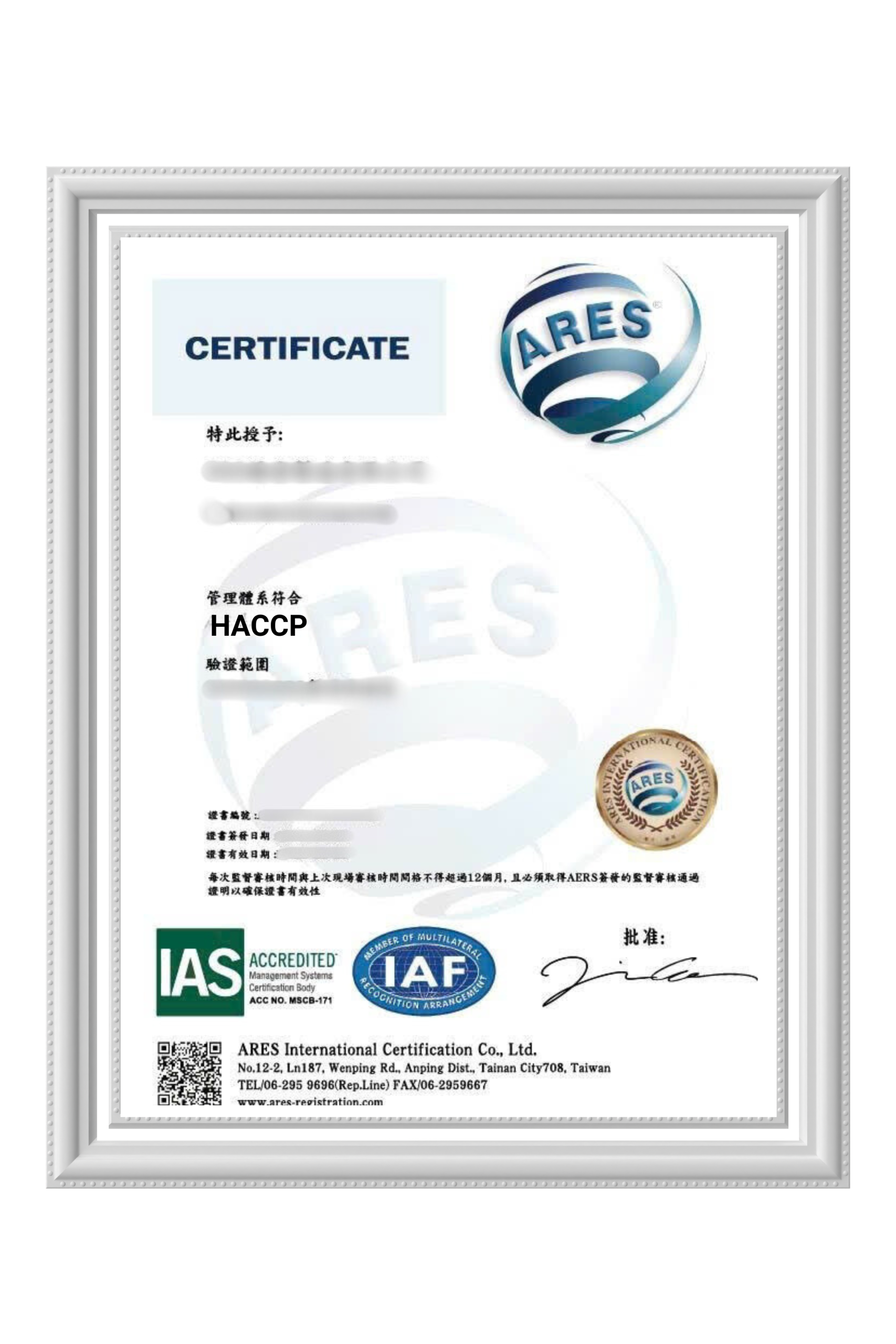
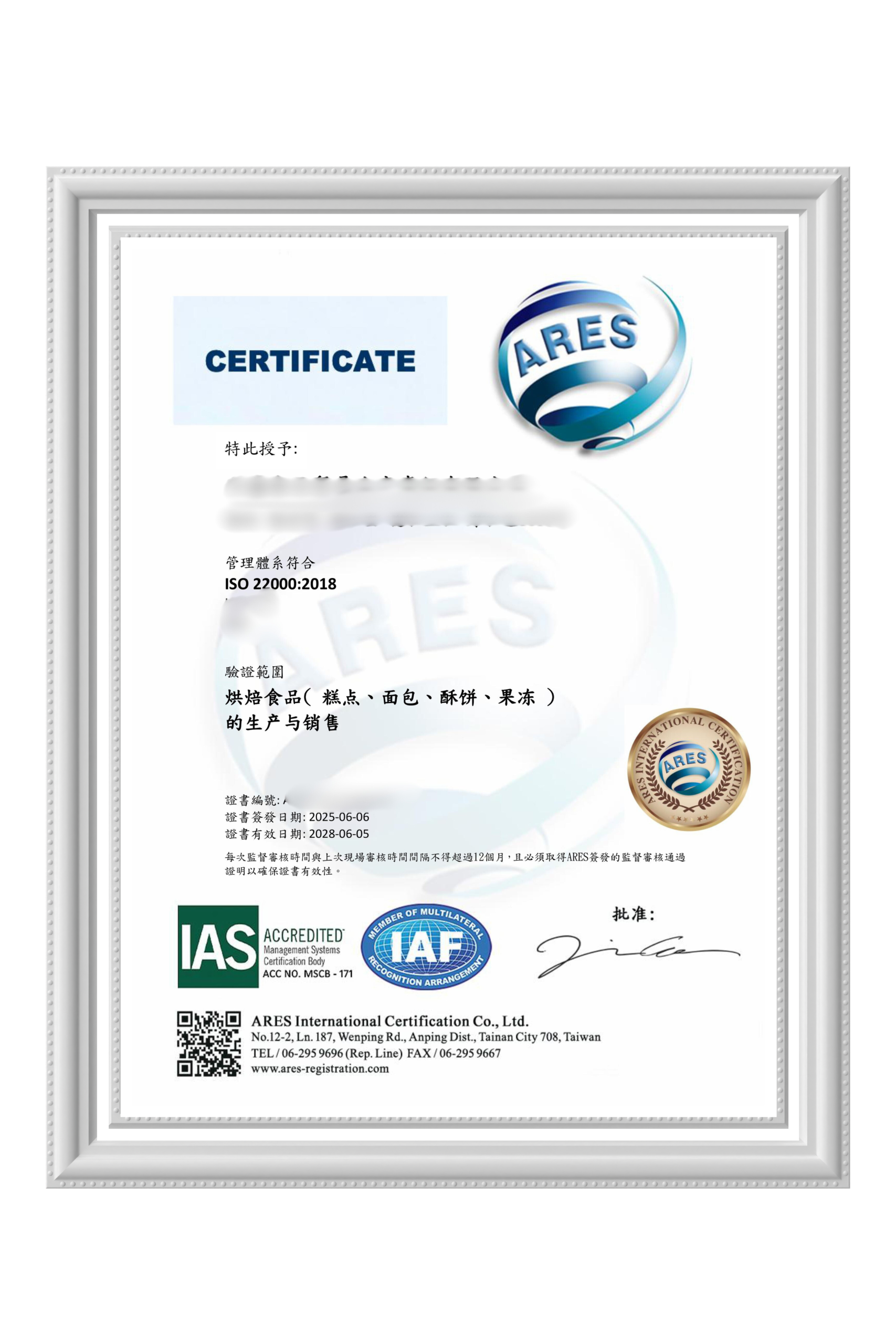
*Illustrative image of an HACCP / ISO 22000 / FSSC 22000 certificate issued by ARES Vietnam
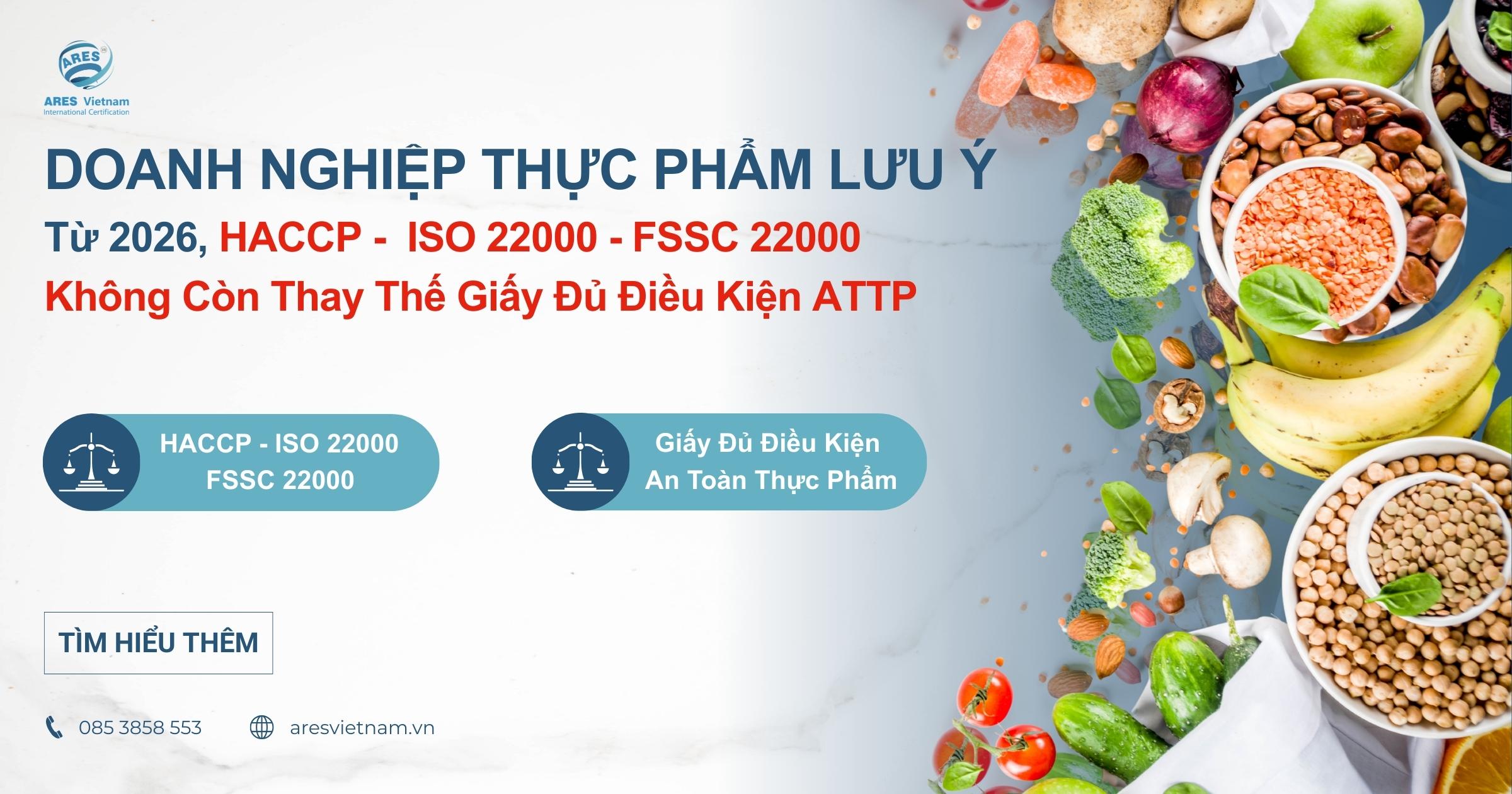
EXPLORE ISO 22000:2018 THROUGH RELATED ARTICLES
Timely updates on ISO 22000 policies and trends – a foundation that helps organisations strengthen management capabilities and confidently advance on the path of sustainable integration

FREQUENTLY ASKED QUESTIONS ABOUT HACCP / ISO 22000 / FSSC 22000 CERTIFICATION
-
If a business already has ISO 22000:2018, is FSSC 22000 certification necessary?
It can be beneficial if the organization aims to expand into international markets or supply products to multinational corporations. FSSC 22000 is recognized by the Global Food Safety Initiative (GFSI) – a common requirement of many global retailers and supply chains.
-
Can ISO 22000:2018 certification replace a food safety license?
According to Decree 15/2018/ND-CP guiding the implementation of the Food Safety Law: “Organizations that have been issued one of the following certificates – GMP, HACCP, ISO 22000:2018 – are not required to obtain a Food Safety Establishment Certificate.” However, the certification must remain valid and be appropriate for the organization’s sector of activity.
-
Can HACCP, ISO 22000:2018, and FSSC 22000 be applied simultaneously?
Yes, but it is not mandatory. Organizations should choose the standard that aligns with their development strategy. FSSC 22000 is an integrated standard that includes the content of ISO 22000:2018 along with additional requirements under GFSI. Therefore, if the goal is to achieve the highest level of international compliance, implementing FSSC 22000 alone may be sufficient.
-
Does ISO 22000:2018 support integration with digital systems such as ERP?
Yes. Implementing ISO 22000:2018 helps organizations standardize processes and data, providing a solid foundation for integrating modern management systems like ERP, promoting digital transformation, and enhancing analytics and decision-making across the entire supply chain.
-
What is the validity period of the certification?
Both ISO 22000:2018 and FSSC 22000 are valid for 3 years. During this period, the certification body conducts annual surveillance audits. After 3 years, the organization must undergo a recertification audit to maintain validity.

EXCLUSIVE OFFERS FOR BUSINESSES
HACCP / ISO 22000 / FSSC 22000 CERTIFICATION
Supporting businesses in developing internationally compliant Food Safety Management Systems, ARES Vietnam provides comprehensive solutions that save costs, optimize time, and enhance brand credibility
- Certification fee reduction for organisations implementing ISO for the first time
- Special incentives for registration integrating two or more standards
- Receive 10 Internal Auditor Certificates
- Free Pre-audit Consultation – Reviewing the System Prior to Assessment
- Priority scheduling for early assessment and support for fast certificate issuance
*Service incentives applicable to organisations registering via the Website



EXPLORE HACCP / ISO 22000:2018 / FSSC 22000 THROUGH RELATED ARTICLES
Stay updated with global food safety trends – enabling businesses to proactively adapt, enhance management capabilities, and reinforce credibility in the era of global integration