HACCP vs ISO 22000: Which Should Food Businesses Choose?
Today, food safety is no longer limited to legal compliance. Instead, it has become a core competitive factor for businesses. In this context, two key international standards—HACCP and ISO 22000—represent different levels of management maturity. Consequently, they raise a strategic question: which pathway should businesses choose to achieve sustainable development?
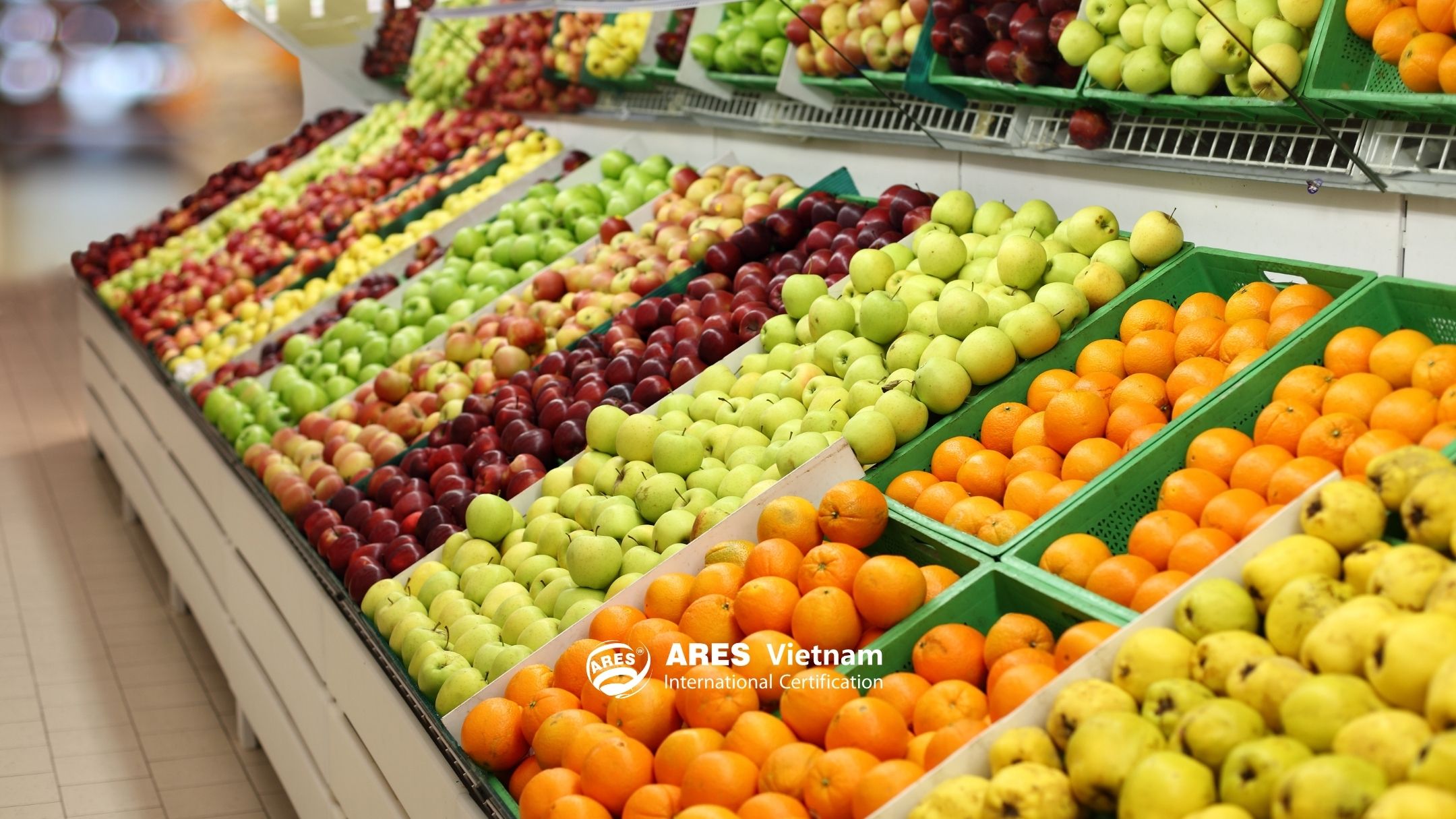
HACCP & ISO 22000 – The foundation for a safe food supply chain and international competitiveness
HACCP – A Framework for Controlling Critical Hazards
HACCP (Hazard Analysis and Critical Control Points) is widely recognized as the foundational approach to food safety management. It focuses on controlling direct risks within production processes, based on three core pillars:
◾ Hazard analysis: Identifying potential physical, chemical, and biological hazards at each stage of the process.
◾Critical control points: Determining key points where a lack of control could lead to food safety failures, and establishing strict critical limits.
◾Monitoring and corrective action: Maintaining continuous monitoring mechanisms, together with immediate corrective measures when limits are exceeded.
The strengths of HACCP lie in its simplicity, reasonable cost, and rapid implementation. Therefore, it is well suited to small and medium-sized enterprises. However, its scope is largely limited to production activities and does not constitute a comprehensive management system like ISO 22000.

HACCP – ARES Vietnam’s framework for critical hazard control
ISO 22000 – A Comprehensive Food Safety Management System
While HACCP focuses on hazard control, ISO 22000 expands this approach into a fully integrated management system. It covers the entire food chain, from raw materials to the end consumer, with several key features:
◾Integrated management system: Combining HACCP with ISO management principles to create a unified framework applicable across the entire supply chain.
◾ Transparency and traceability: Establishing clear mechanisms for documentation, monitoring, and evidence of food safety, thereby strengthening credibility with partners and international markets.
◾ Continual improvement: Operating under the PDCA cycle (Plan – Do – Check – Act), ensuring that the system is not only certified but also maintained and continuously enhanced as market conditions evolve.
Compared to HACCP, ISO 22000 requires greater resources in terms of personnel, processes, and cost. In return, businesses gain a robust, consistent management system with strong international competitiveness.

ISO 22000 – ARES Vietnam’s food safety management system
Choosing the Right Standard – ARES Vietnam’s Perspective
The choice between HACCP and ISO 22000 depends not only on certification requirements. More importantly, it reflects a company’s strategic vision and operational capacity. At ARES Vietnam, we provide guidance through a three-layer analytical approach to define the most suitable pathway.
1. Current State Assessment
We assess production scale, product characteristics, process complexity, and target markets. At the same time, human resources, technical infrastructure, and financial capacity are critical factors in determining readiness for each standard.
2. Strategic Recommendation
◾ HACCP: Suitable for small-scale businesses prioritizing simplicity and basic domestic regulatory compliance.
◾ISO 22000: Appropriate for companies targeting export markets or aiming to standardize their management systems comprehensively
◾ Combined HACCP & ISO 22000: Designed for multi-segment businesses that seek effective process-level risk control while building a long-term management foundation.
Both standards deliver distinct value. Therefore, the key lies in selecting a pathway aligned with the company’s development objectives.
3. Implementation Support and Value Creation
At ARES Vietnam, our goal goes beyond helping businesses achieve certification. We focus on strengthening internal capabilities to help enterprises:
◾Achieve certification according to a clear roadmap, while minimizing operational risks.
◾Enhance credibility and reinforce trust with customers and partners.
◾Build stable operating systems that are ready for expansion and international market entry.
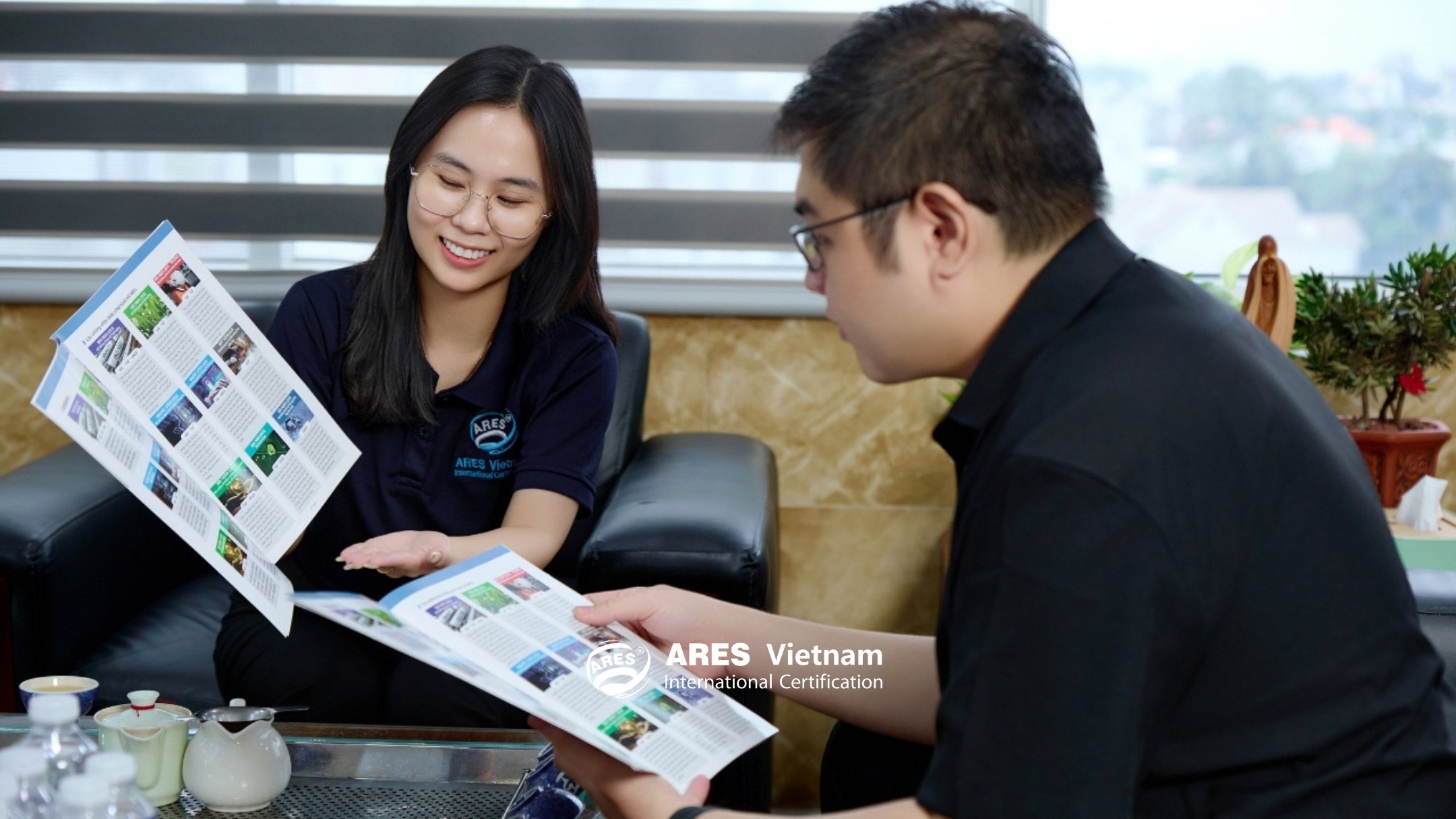
ARES Vietnam partners with businesses throughout their standardization journey
Should businesses choose HACCP or ISO 22000? With extensive practical implementation experience, ARES Vietnam is ready to accompany you in selecting the right pathway, ensuring effective deployment, and building a sustainable food safety management system.
Related news

Circular 49/2026/TT-BCT Takes Effect Soon: Which Environmental Records Should Factories Review?
Read more

ARES Vietnam Conducts the Second ISO 9001:2015 Surveillance Audit at KAISER 1 & KAISER 2 (Vietnam)
Read more

National Single Window and ASEAN Single Window: What Documents Should Import–Export Businesses Prepare?
Read more
ARES Vietnam Awards ISO 9001:2015 Certification to Simona Leather Company Limited
Read more
ARES Vietnam Conducts ISO 9001:2015 Surveillance Audit at Simona Leather Company Limited
Read more