8 Benefits Of Obtaining ISO 27001 Certification For Enterprises
In the context of rapid digital transformation, data has become one of the most valuable assets for businesses. From customer information, internal records, contracts, technical documents to operational data, most of it is stored, processed, and shared across multiple platforms.
Along with this development come various risks, including data leakage, unauthorized access, cyberattacks, loss of critical information, and system disruptions. Information security is no longer solely an IT issue; it has become an essential part of governance capability, corporate reputation, and business cooperation potential.
In this context, ISO 27001 certification is widely adopted as a framework for controlling information risks, meeting customer and partner requirements, and enhancing competitiveness in the digital business environment.
What Is ISO 27001?
ISO/IEC 27001 is an international standard for Information Security Management Systems (ISMS). It provides requirements for establishing, implementing, maintaining, and continually improving a systematic information security management framework.
Unlike technical security solutions that focus only on tools, ISO 27001 approaches information security from a governance perspective. Organizations are required to identify critical information assets, assess risks, implement controls, define responsibilities, and monitor system performance.
ISO 27001 certification is an independent confirmation that an organization has established and applied an information security management system in accordance with the standard’s requirements. It serves as evidence of a company’s commitment to protecting information for customers, partners, and relevant stakeholders.

ISO 27001 – Information security management system
8 Benefits Of Obtaining ISO 27001 Certification For Enterprises
1. Reduced risk of data leakage and loss
ISO 27001 helps organizations better control the entire information lifecycle, from creation, storage, access control, to sharing and usage. Through mechanisms such as data classification, access control, responsibility assignment, and activity monitoring, businesses can reduce the risk of leakage, loss, or unauthorized access.
This provides a solid foundation for protecting customer data, internal records, contracts, technical documents, and other critical information assets.
2. Ensuring business continuity
Information security incidents do not only lead to data loss but may also disrupt business operations. ISO 27001 enables organizations to proactively identify risks that may affect systems, data, and operational processes, thereby developing appropriate control and recovery measures.
As a result, businesses can minimize operational downtime caused by incidents such as unauthorized access loss, system failures, malware attacks, or infrastructure disruptions.
3. Strengthening information security risk management capability
A key aspect of ISO 27001 is systematic risk management. Instead of reacting only after incidents occur, organizations are required to identify risks, evaluate their impact, select appropriate controls, and monitor effectiveness.
This approach helps organizations shift from a reactive mode to a proactive and continuous improvement mindset.
4. Increasing trust with customers and partners
In a B2B environment, customers and partners are not only concerned with product or service quality but also evaluate an organization’s ability to protect information during cooperation.
ISO 27001 certification demonstrates that a company has implemented an internationally recognized and independently assessed information security management system. This significantly strengthens trust, especially when working with FDI clients, large corporations, international partners, or data-sensitive industries.
5. Expanding opportunities for projects, tenders, and new markets
In many industries, ISO 27001 becomes a key advantage when participating in tenders, supplier evaluations, or high-requirement projects. Technology companies, software providers, SaaS, outsourcing firms, financial services, data-driven businesses, and global supply chain manufacturers often need to demonstrate information security capabilities early in the evaluation process.
Achieving ISO 27001 certification enhances corporate credentials and opens opportunities in more demanding markets.
6. Supporting compliance, legal requirements, and contractual obligations
ISO 27001 does not replace legal regulations or industry-specific requirements. However, it provides a strong foundation for managing obligations related to information security, data protection, and stakeholder responsibilities.
When properly implemented, organizations can maintain clear evidence of access control, data management, incident handling, staff training, and system improvement. This significantly supports internal audits, customer audits, and contractual compliance requirements.
7. Improving employee awareness and responsibility
Many information security incidents are not caused by technology but by human behavior in daily work, such as weak passwords, account sharing, incorrect file transfers, or downloading unknown files.
ISO 27001 helps embed information security as a shared responsibility across the entire organization. Through policies, procedures, access control, and internal training, employees better understand their roles in protecting information.
8. Building a long-term information governance foundation
ISO 27001 is not only about achieving certification at a specific point in time. It is designed to ensure the continuous maintenance and improvement of an information security management system over the long term.
As businesses grow, the number of employees, IT systems, data sources, suppliers, and access points will continue to increase.
By implementing ISO 27001, organizations can establish a clear information governance framework that can be continuously updated in line with operational scale, technological changes, and market requirements.
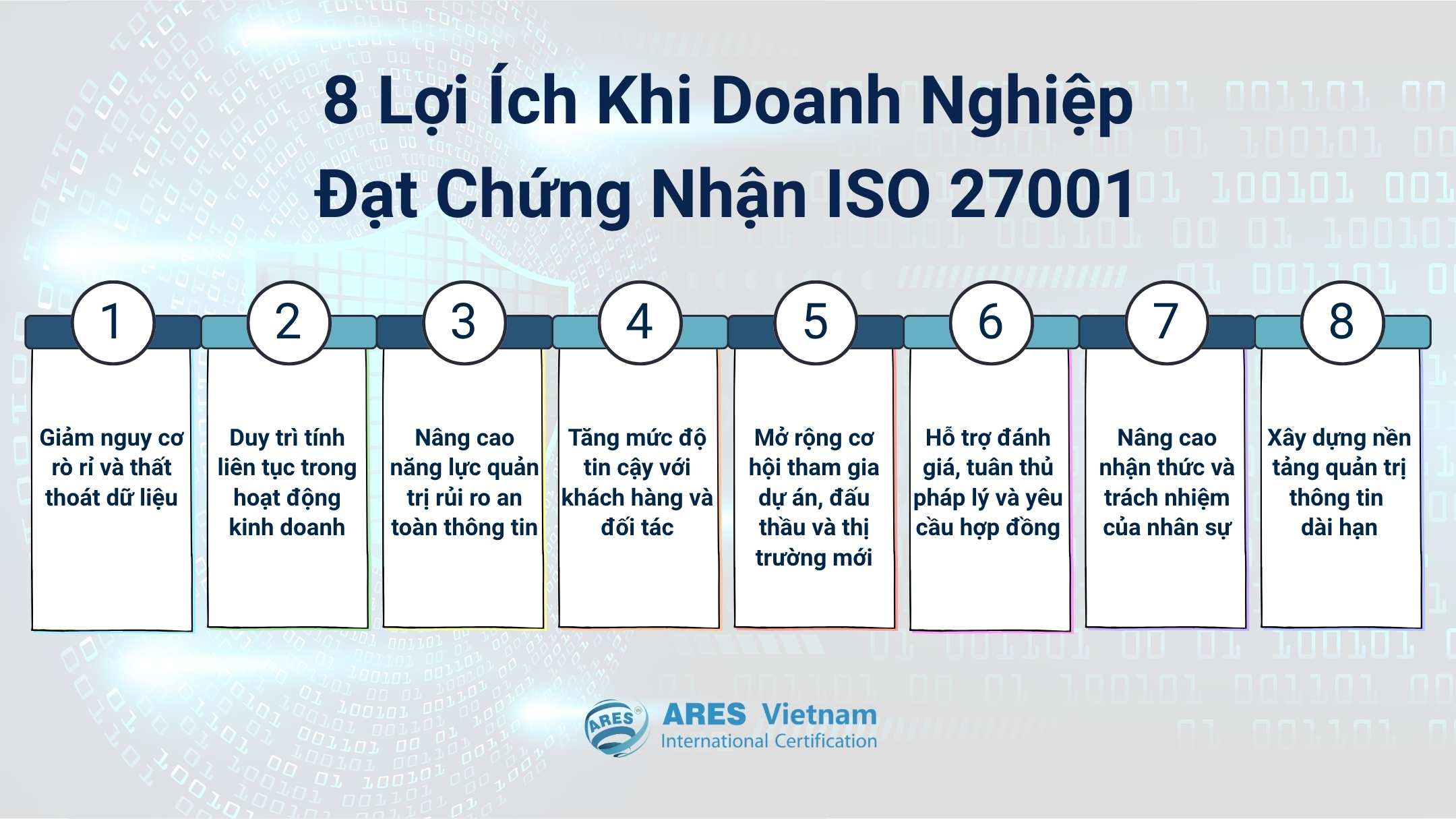
8 benefits when businesses achieve ISO 27001 certification
Which Organizations Should Implement ISO 27001?
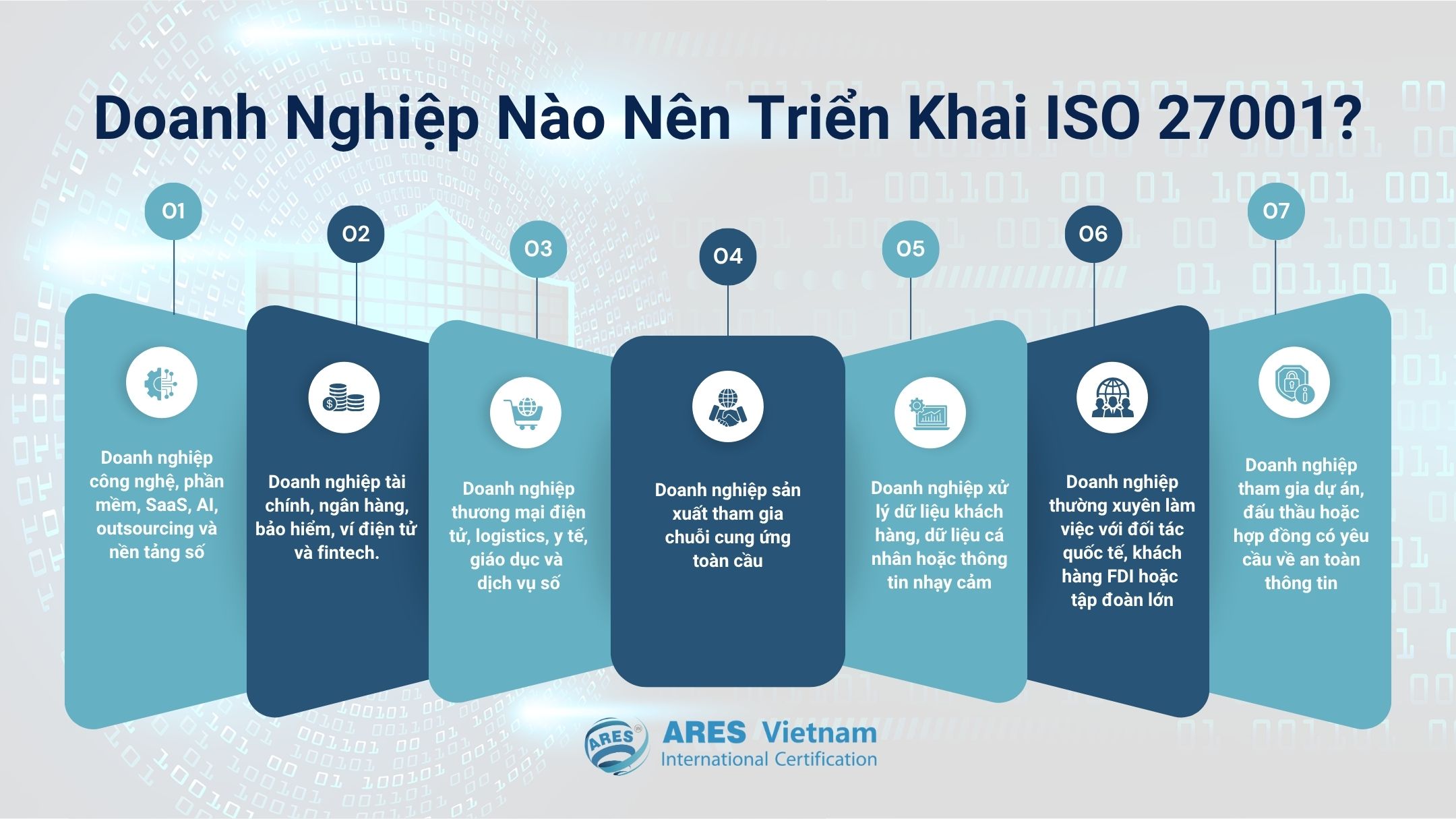
ISO 27001 can be applied to various types of organizations, regardless of size or industry. However, the need for implementation is more evident in businesses that heavily rely on data, technology systems, or customer security requirements.
The groups of organizations that should consider implementing ISO 27001 include:
- Technology companies, software providers, SaaS, AI, outsourcing, and digital platforms
- Financial institutions, banks, insurance companies, e-wallet providers, and fintech businesses
- E-commerce, logistics, healthcare, education, and digital service providers
- Manufacturing companies participating in global supply chains
- Organizations handling customer data, personal data, or sensitive information
- Companies frequently working with international partners, FDI clients, or large corporations
- Businesses participating in projects, tenders, or contracts requiring information security compliance
Even if no incidents have occurred before, organizations should still view ISO 27001 as a proactive step to reduce risks before they turn into actual losses.
When Should Organizations Start ISO 27001 Implementation?
The timing of ISO 27001 implementation does not depend solely on company size. Instead, it is more closely related to data complexity, IT infrastructure, and collaboration requirements. Organizations should consider starting an Information Security Management System (ISMS) when the following signs appear:
- Operations rely heavily on digital data, customer information, or sensitive data
- The number of systems, software platforms, and access points continues to increase
- Customers, partners, or projects require proof of information security capability
- The organization is expanding, standardizing operations, or joining global supply chains
- Data incidents, unauthorized access, or system disruptions have already occurred
The earlier ISO 27001 is implemented, the more proactive the organization becomes in standardizing its system, instead of reacting only after risks cause actual damage.
ISO 27001 Certification Process at ARES Vietnam
At ARES Vietnam, the ISO 27001 certification process is conducted based on independence, objectivity, and compliance with international certification standards.
The overall process includes the following key steps:
▶️Receiving application and defining certification scope: Reviewing business sector, scale, locations, and ISMS scope
▶️Audit planning: Developing an audit plan, assigning auditors, and confirming the schedule with the organization
▶️Stage 1 audit: Reviewing system documentation, policies, procedures, and ISMS readiness
▶️Stage 2 audit: Verifying actual implementation through interviews, operational records, and evidence review
▶️Nonconformity correction and certification decision: The organization implements corrective actions; certification is granted after full review
▶️Surveillance audit and recertification: Certified organizations must undergo periodic audits to maintain validity
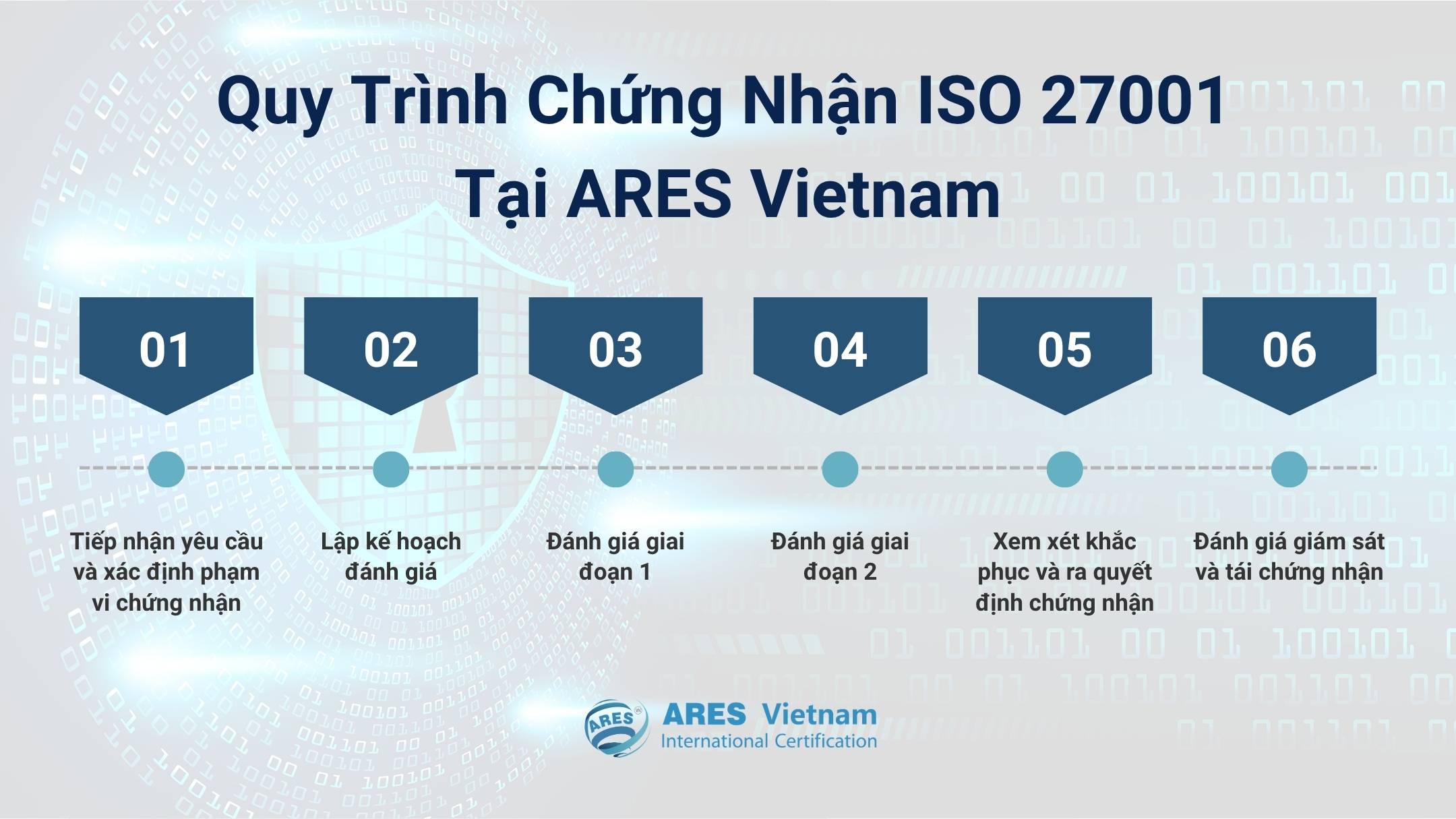
ISO 27001 certification process at ARES Vietnam
ISO 27001 – A Foundation For Proactive Information Risk Control
In the digital business environment, information security is no longer a supporting requirement. It directly affects reputation, collaboration capability, and operational stability.
Achieving ISO 27001 certification helps organizations build a structured and well-controlled Information Security Management System. At the same time, businesses can proactively manage risks, protect critical data, and better meet customer, partner, and market requirements.
If your organization is exploring ISO 27001 certification, it is important to define the scope, timeline, and current readiness level. ARES Vietnam can support the certification journey in accordance with international standards.
- Hotline: 085.3858.553
- Email: service@aresvietnam.vn
Frequently Asked Questions About ISO 27001 Certification
| Question | Answer |
| Is ISO 27001 mandatory? | ISO 27001 is a voluntary standard. However, in many cases, it may become a requirement from customers, partners, projects, or tender documents. This is especially common for organizations handling sensitive or critical data. |
| Can small businesses apply ISO 27001? | Yes. ISO 27001 is not limited by company size. Its application depends on the scope of data, level of risk, customer requirements, and the organization’s information security management needs. |
| How long is ISO 27001 certification valid? |
Typically, ISO 27001 certification is valid for 3 years. During this period, organizations must maintain the system and undergo periodic surveillance audits as required by the certification body. |
| Is ISO 27001 the same as IT security solutions? |
Not exactly. IT security solutions mainly focus on technical tools, whereas ISO 27001 is a management system standard for information security. It covers people, processes, technology, risks, and continuous improvement. |
| What does a business need to do to maintain ISO 27001 certification validity? | Organizations must continuously perform risk assessments, update documentation, control systems, train employees, conduct internal audits, and implement regular improvements. This ensures the information security management system remains compliant with the standard requirements. |
Related news

Circular 49/2026/TT-BCT Takes Effect Soon: Which Environmental Records Should Factories Review?
Read more

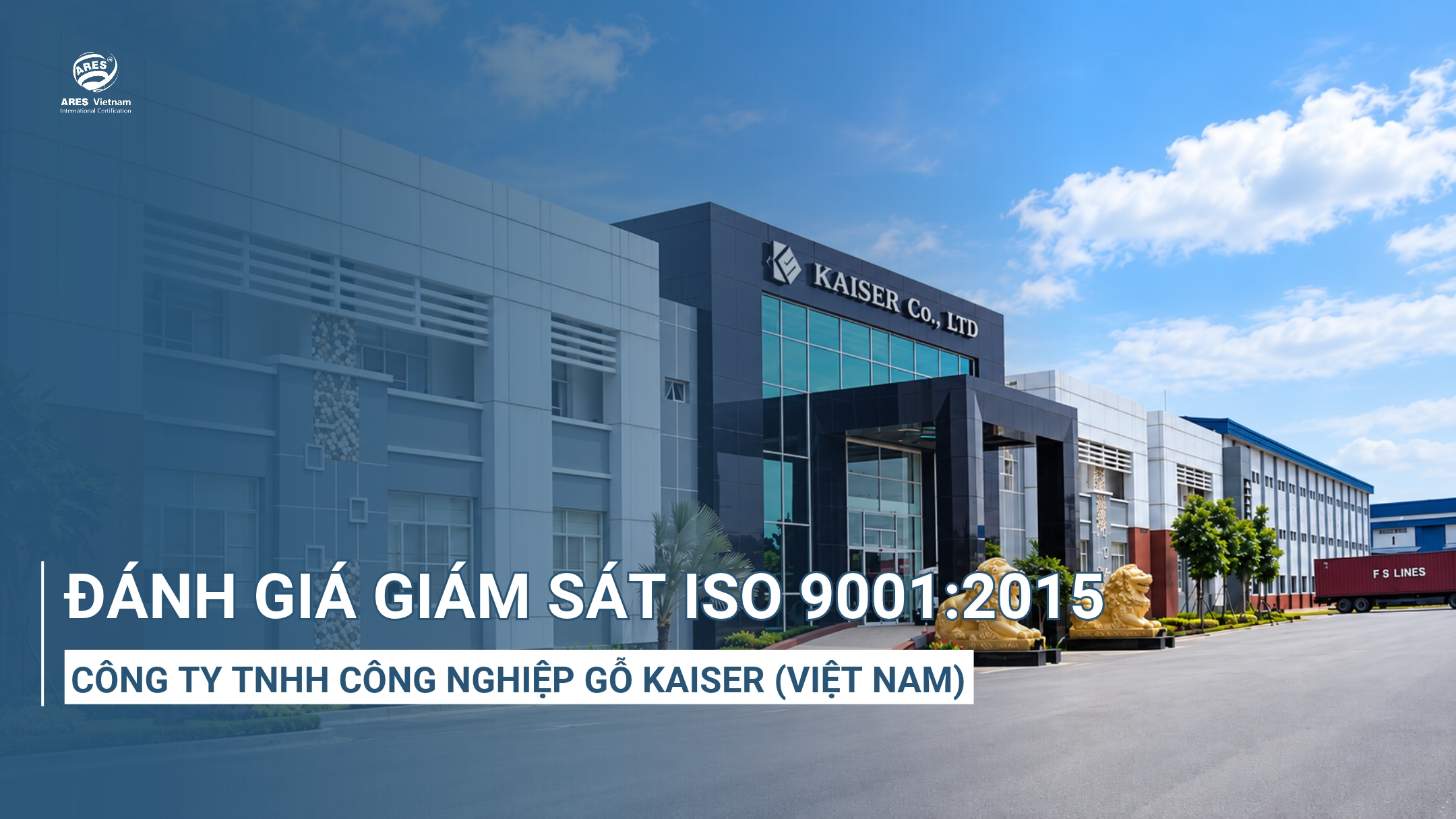
ARES Vietnam Conducts the Second ISO 9001:2015 Surveillance Audit at KAISER 1 & KAISER 2 (Vietnam)
Read more
National Single Window and ASEAN Single Window: What Documents Should Import–Export Businesses Prepare?
Read more
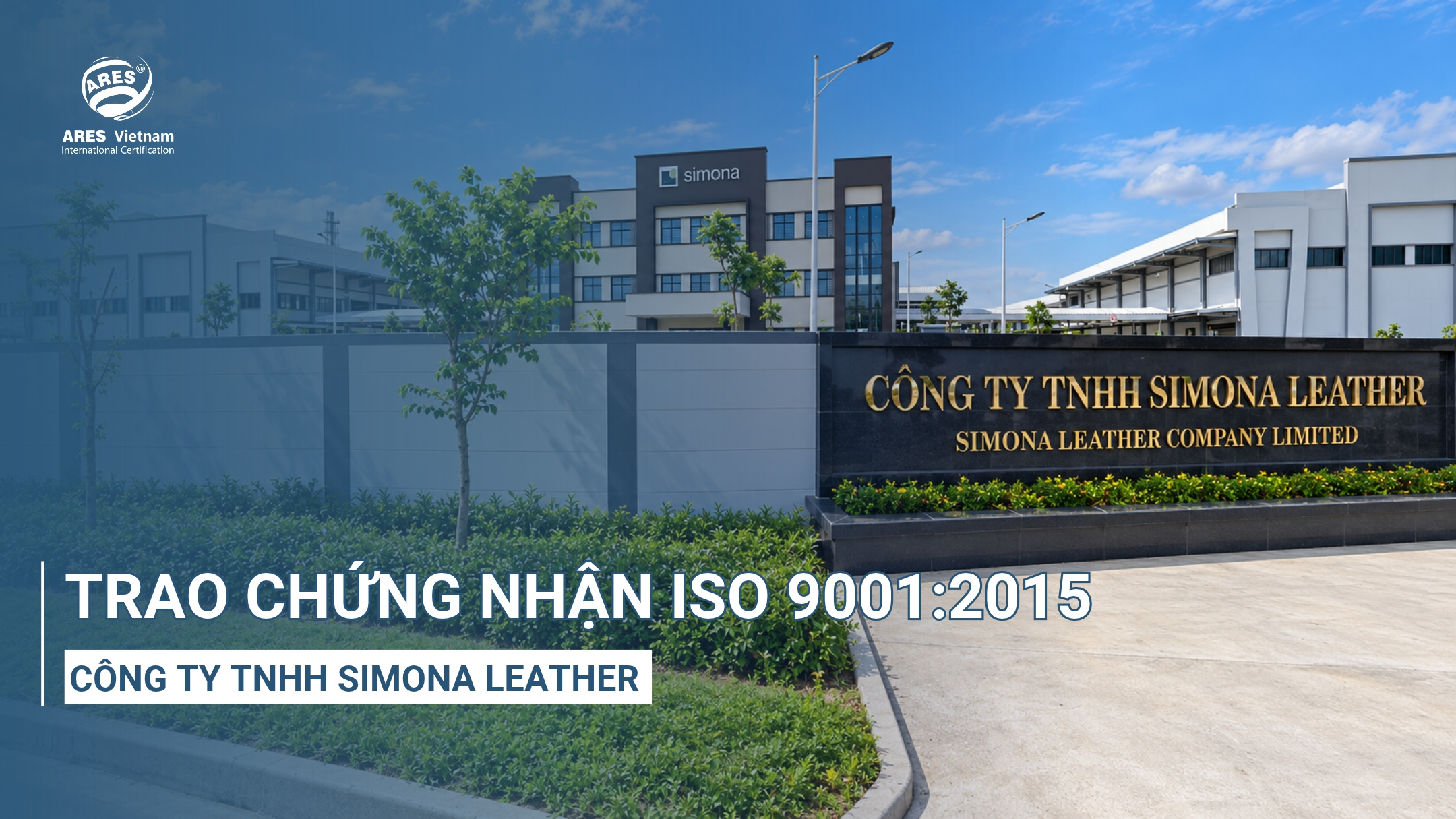
ARES Vietnam Awards ISO 9001:2015 Certification to Simona Leather Company Limited
Read more
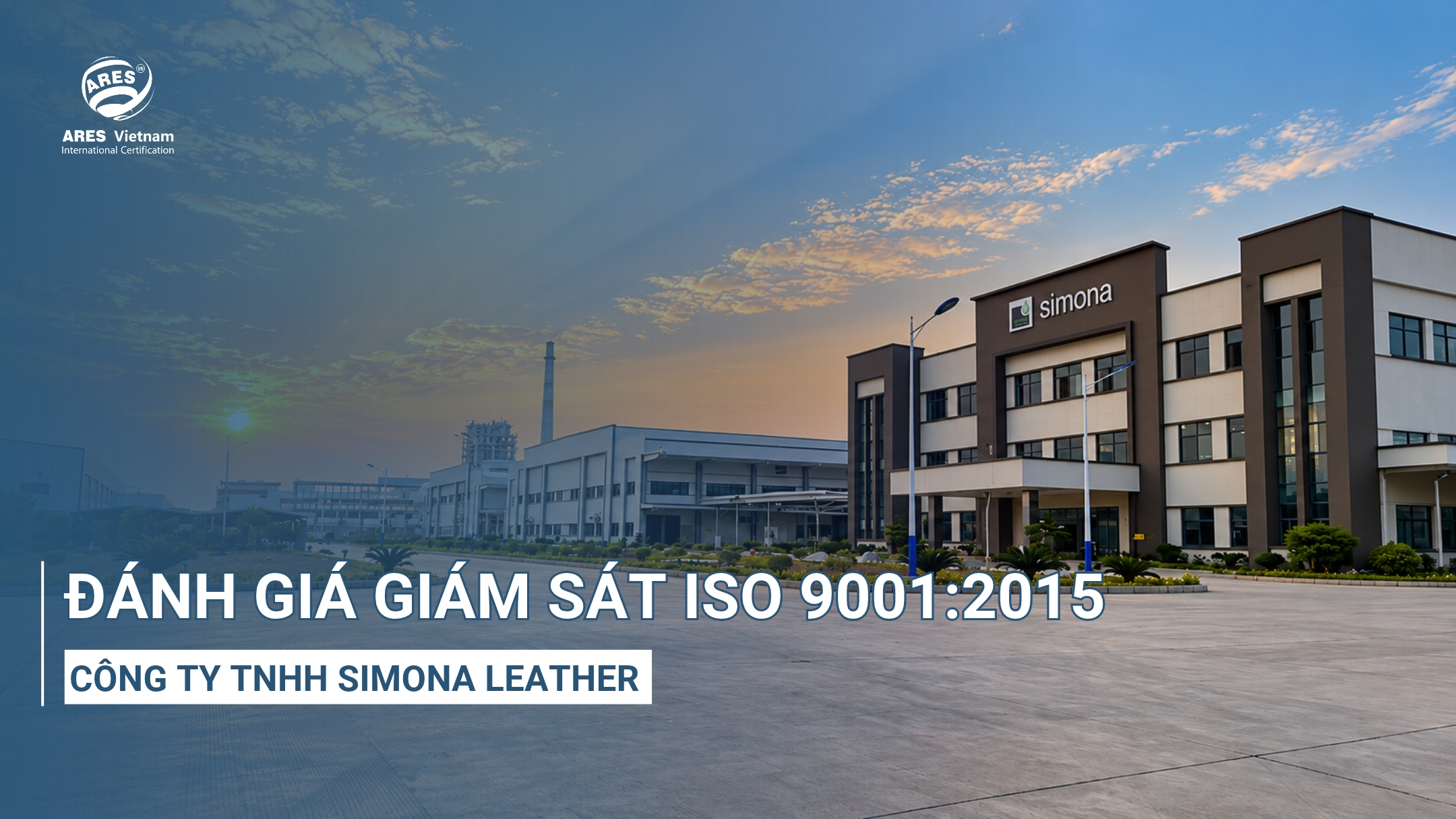
ARES Vietnam Conducts ISO 9001:2015 Surveillance Audit at Simona Leather Company Limited
Read more