ARES Vietnam Conducts ISO 14064-1:2018 Certification Audit At Taya Vietnam Electric Wire and Cable Joint Stock Company
As greenhouse gas emission transparency requirements become increasingly stringent, especially under the impact of global environmental commitments and carbon adjustment mechanisms, industrial manufacturing companies are facing growing pressure to establish structured, consistent, and highly verifiable emission inventory systems.
For the wire and cable industry—a sector with high energy consumption and complex production chains—developing a greenhouse gas inventory method based on international standards is not only a compliance requirement. It is also an important foundation for improving resource management efficiency, optimizing operations, and strengthening long-term competitiveness.
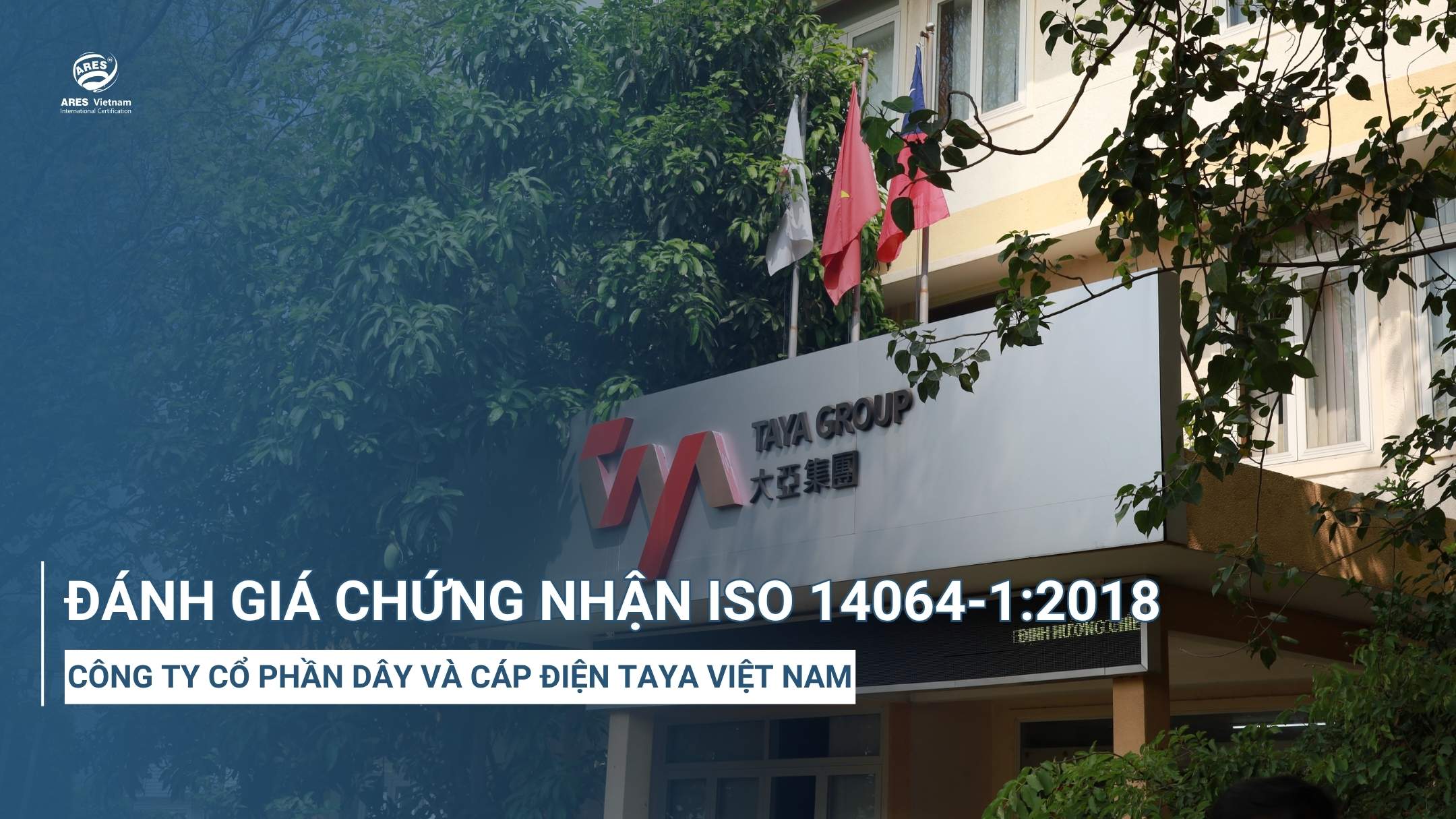
Based on this, Taya Vietnam Electric Wire and Cable Joint Stock Company has implemented an ISO 14064-1:2018 certification audit program, conducted by the expert team of ARES Vietnam.
COMPANY INFORMATION
- Company Name: Taya Vietnam Electric Wire and Cable Joint Stock Company
- Address: No. 1, Street 1A, Bien Hoa 2 Industrial Park, Tran Bien Ward, Dong Nai Province, Vietnam
- Business Activities: Manufacturing electric wires, electric cables, and conductive products for civil and industrial use
- Service Provided: ISO 14064-1:2018 certification audit
AUDIT IMPLEMENTATION BACKGROUND
At Taya Vietnam, management data is generated from multiple functional departments and linked to each stage of the production chain. Therefore, the information consolidation process requires close coordination among responsible units while ensuring consistency in data recording and processing methods.
However, differences in data collection, storage, and consolidation methods among departments created the need to review and standardize the entire system. This was also a core factor considered during the audit to ensure that emission inventory data is reliable, transparent, and traceable.
In addition, applying emission calculation methods in accordance with ISO 14064-1:2018 requires the company to strictly control every step, from defining boundaries and selecting emission factors to organizing reporting activities. This not only affects the accuracy of inventory results but also directly impacts the usability of data for management and disclosure purposes.
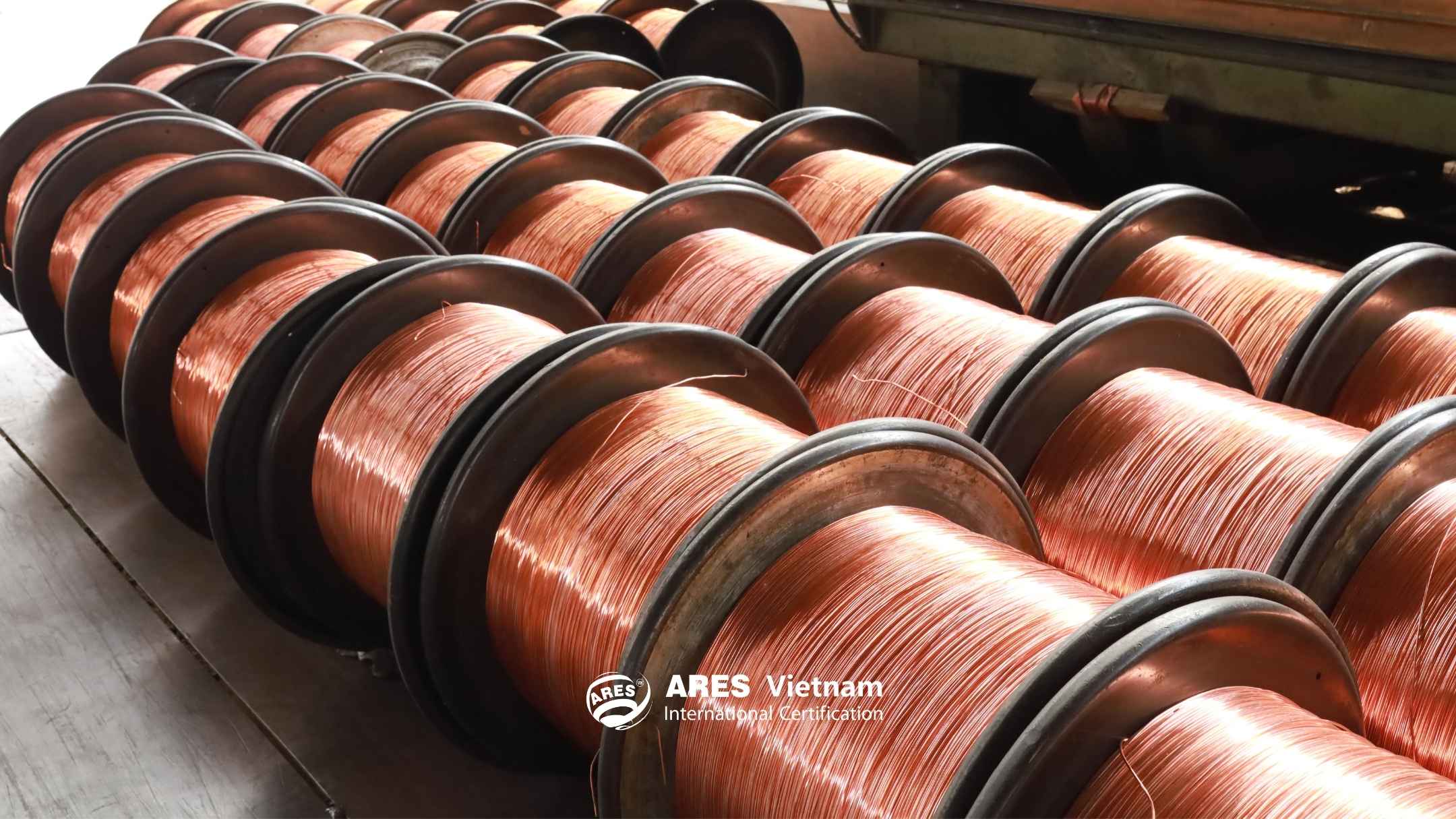
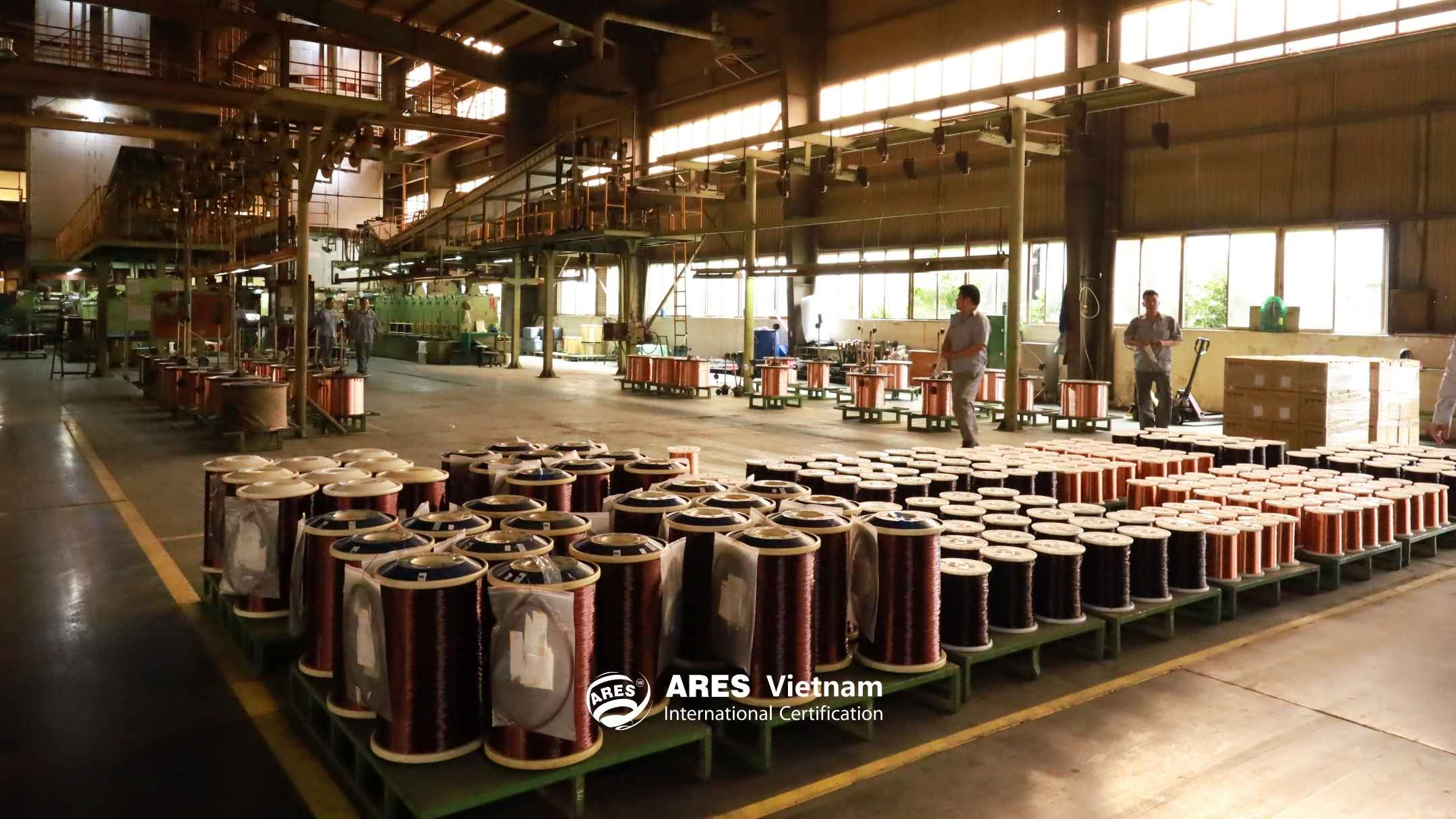
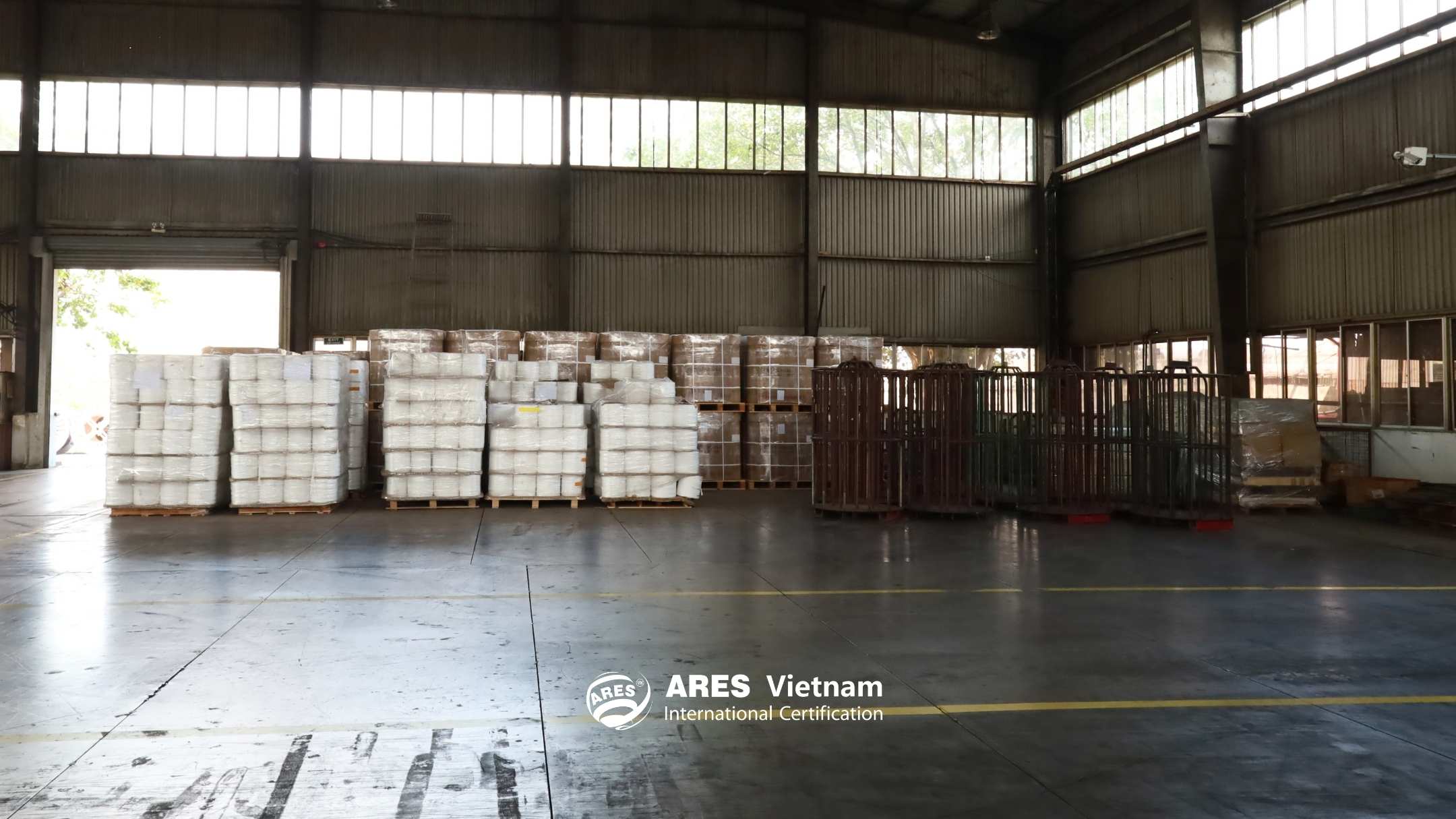
KEY FOCUS AREAS OF THE ISO 14064-1:2018 AUDIT PROGRAM
The audit program focused on comprehensively reviewing the company’s greenhouse gas inventory system, from documentation foundations to practical operations.
First, the expert team reviewed the inventory scope and boundaries, including organizational boundaries, operational boundaries, and key emission sources such as direct emissions (Scope 1) and indirect emissions from energy consumption (Scope 2). Correct boundary identification is an important basis for ensuring data completeness and relevance.
At the same time, data collection and consolidation methods were analyzed to assess the level of connection among internal information sources. Factors such as consistency, reliability of input data, and the ability to control deviations were given particular attention.
Regarding emission calculation activities, the audit team focused on verifying the application of emission factors, calculation formulas, and reference data sources. Ensuring these elements comply with the standard helps improve the accuracy and comparability of inventory results.
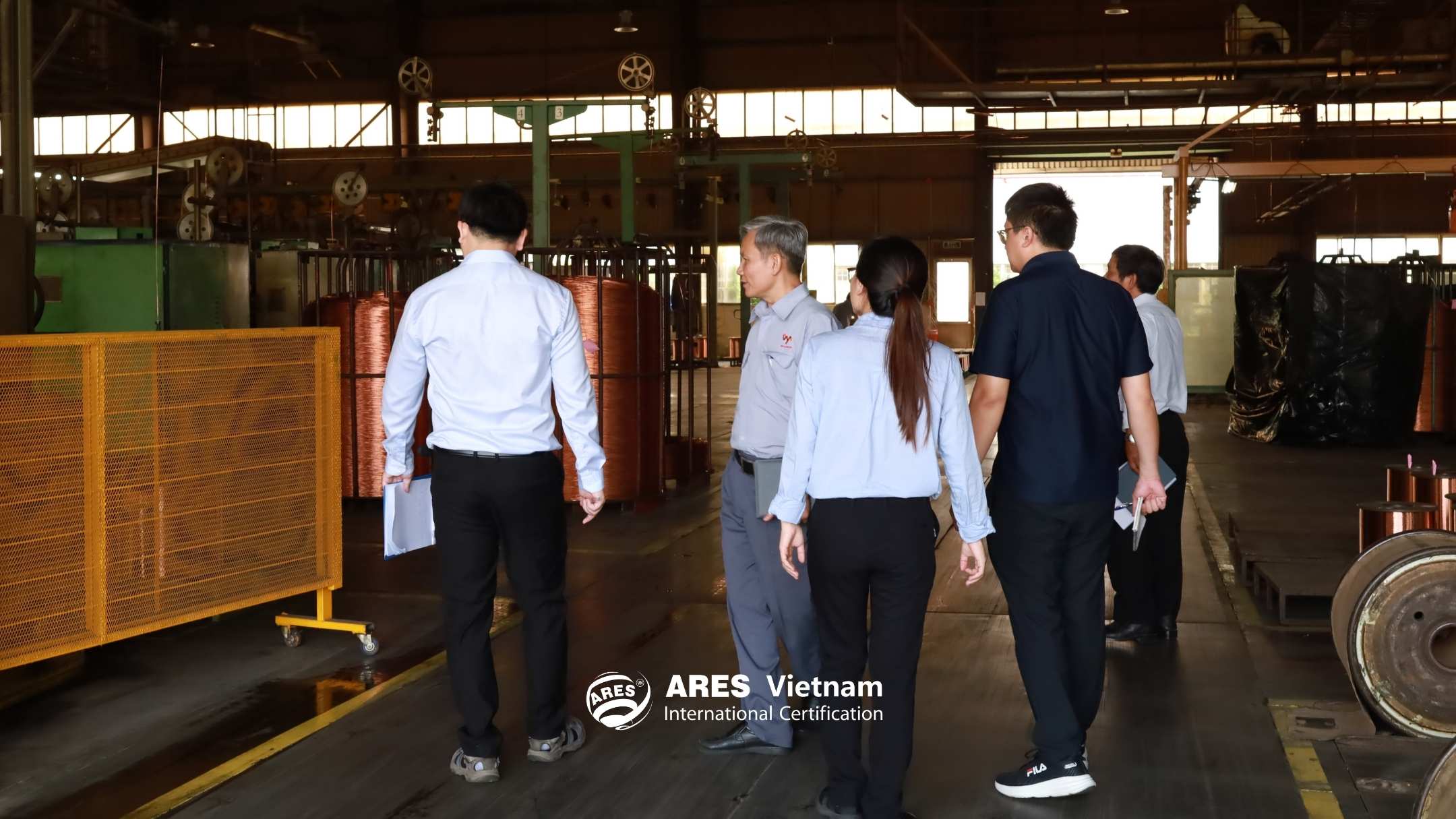
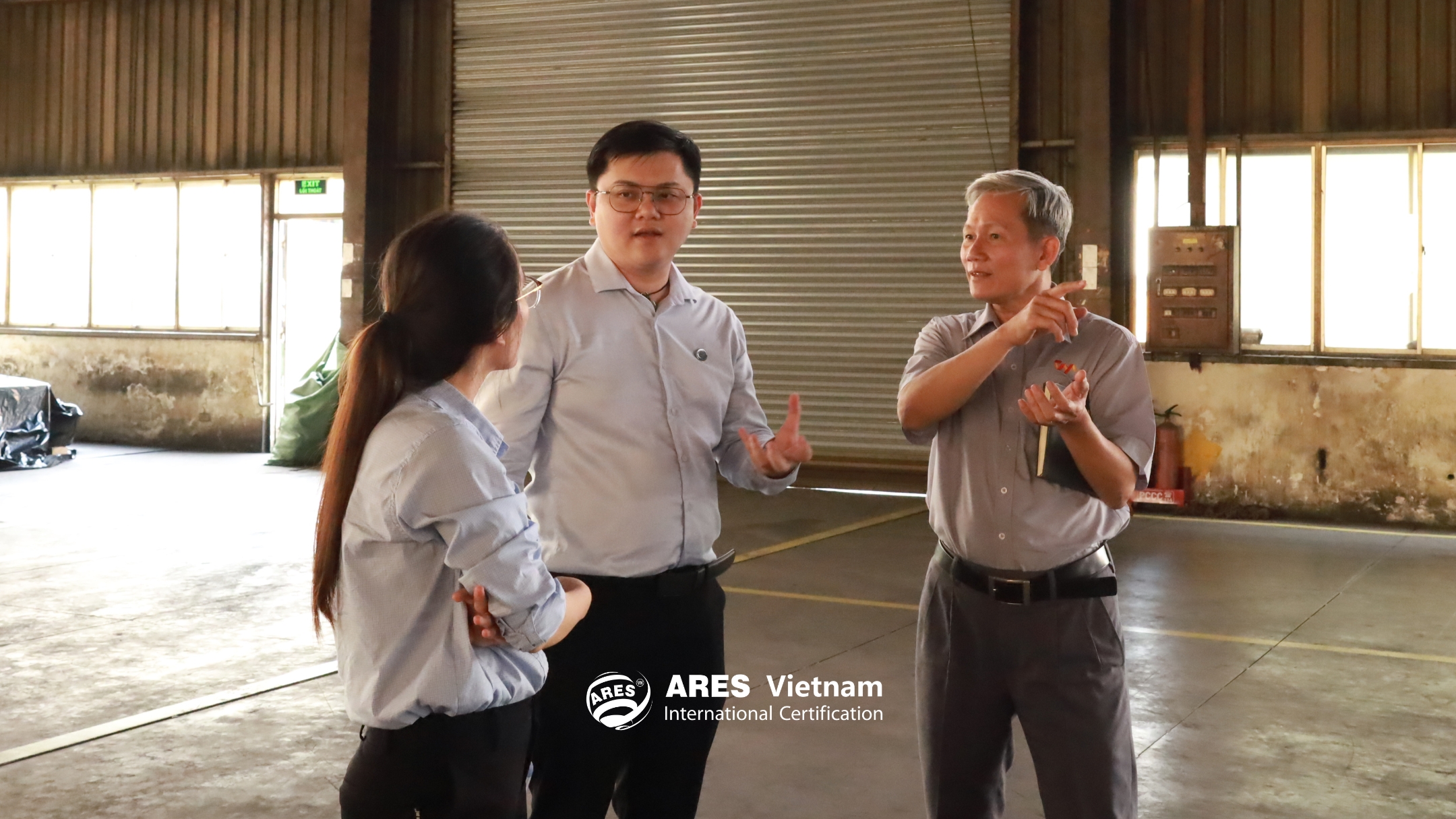
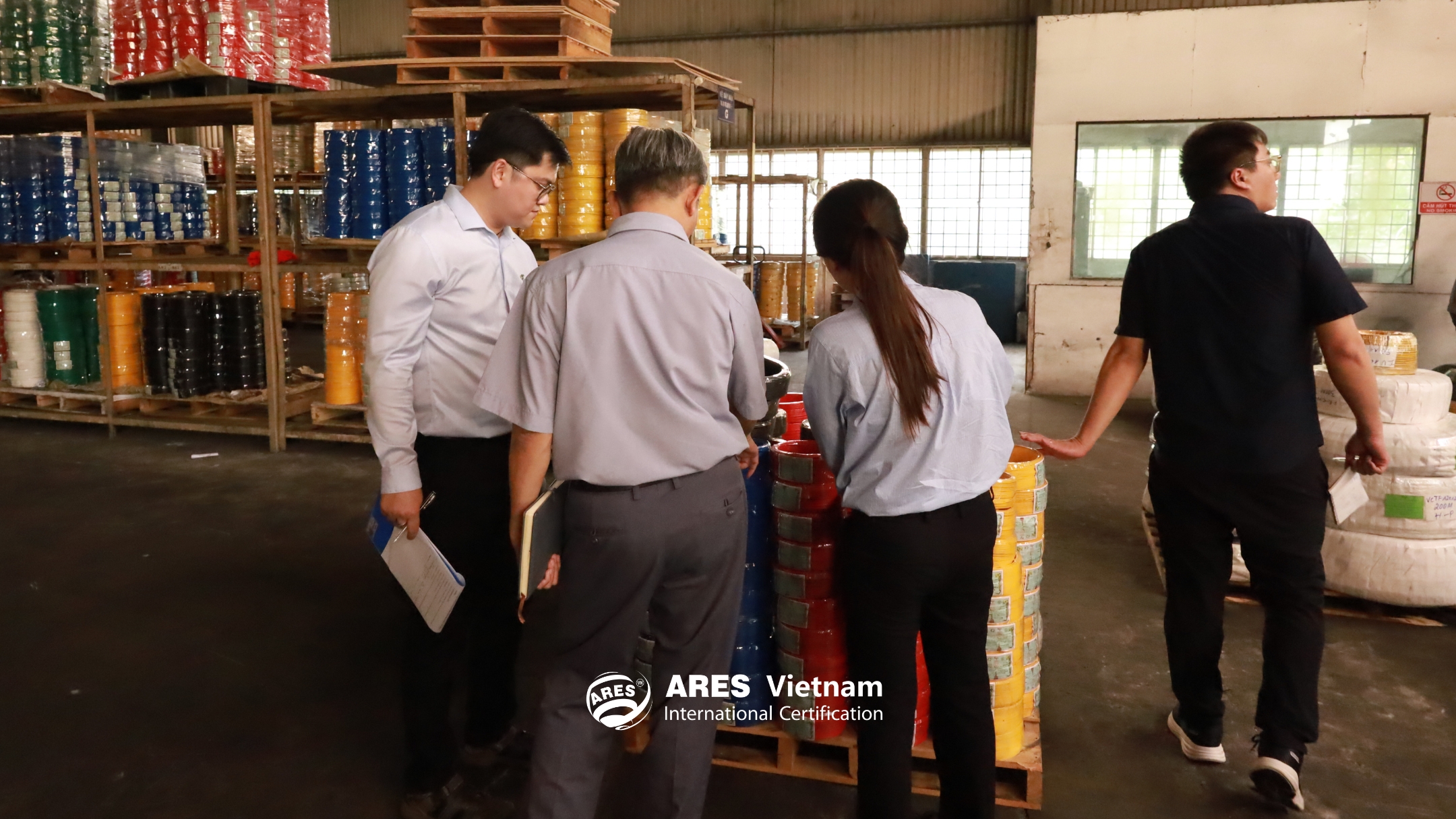
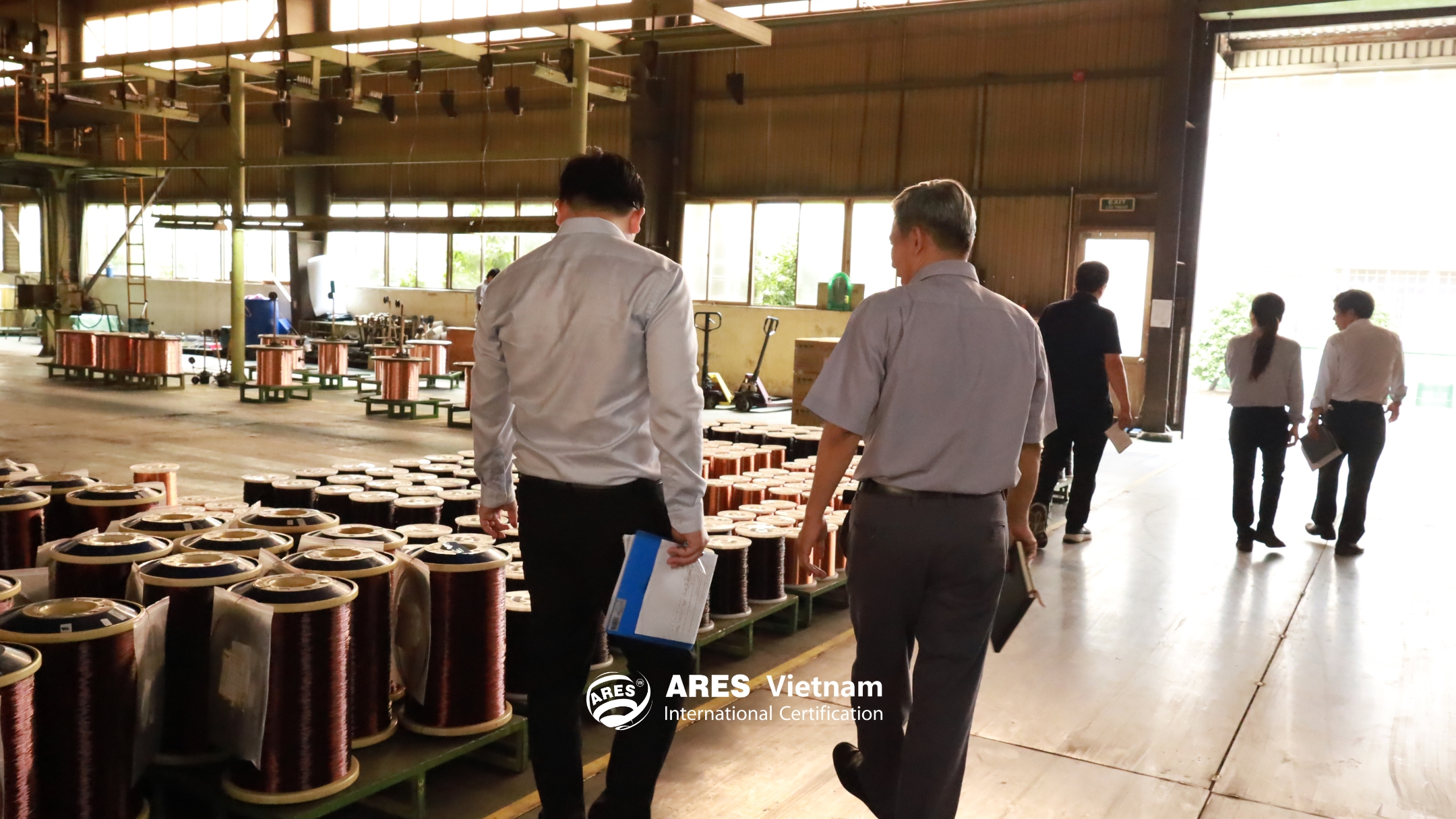
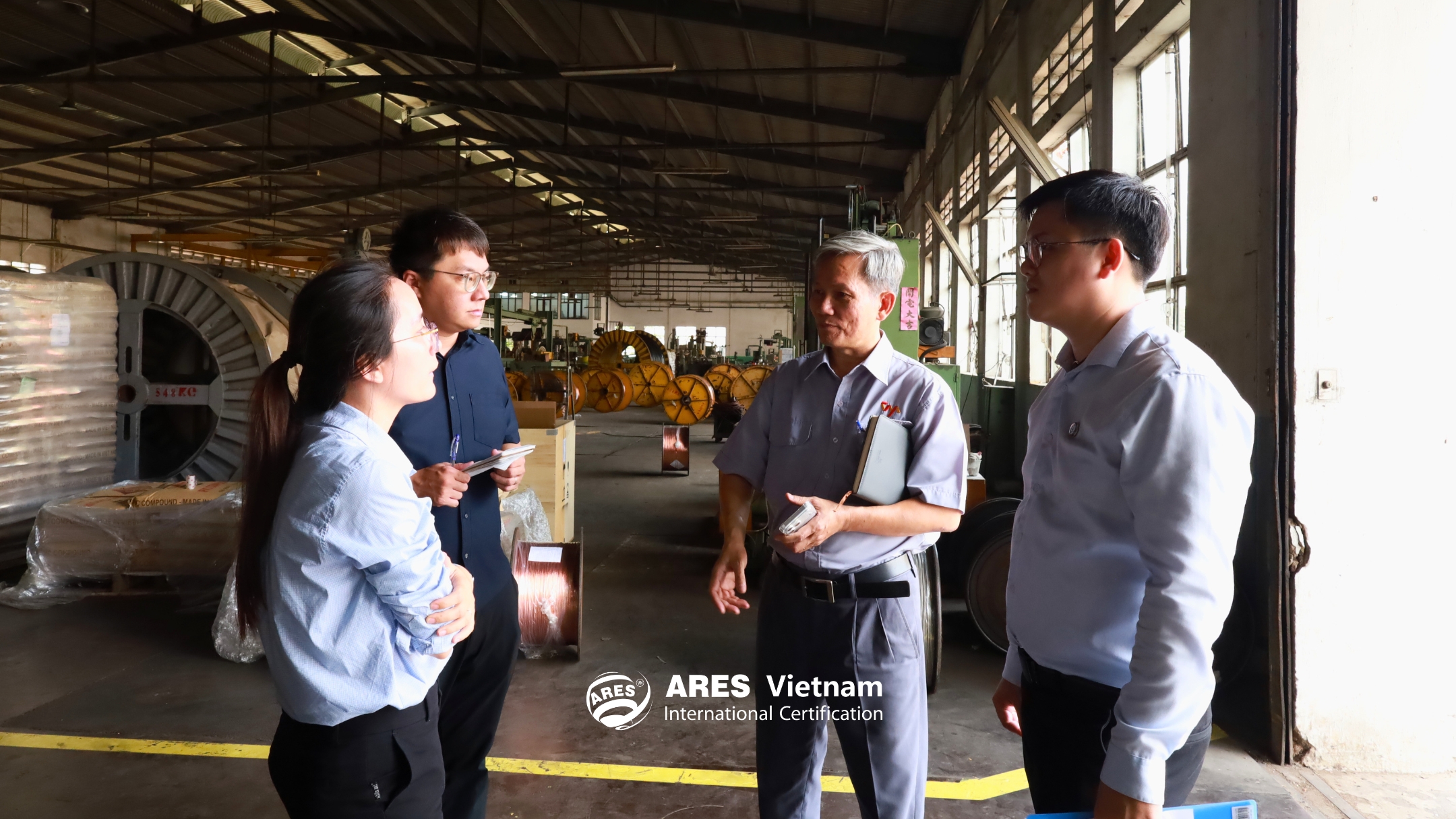
Besides the document system, on-site verification activities were also conducted to compare recorded data with actual operations. This process included observing how departments monitor energy and raw material consumption. In addition, checks were carried out on the consistency between records and actual practices. Direct discussions with responsible personnel were also conducted to assess their level of understanding and ability to apply relevant requirements.
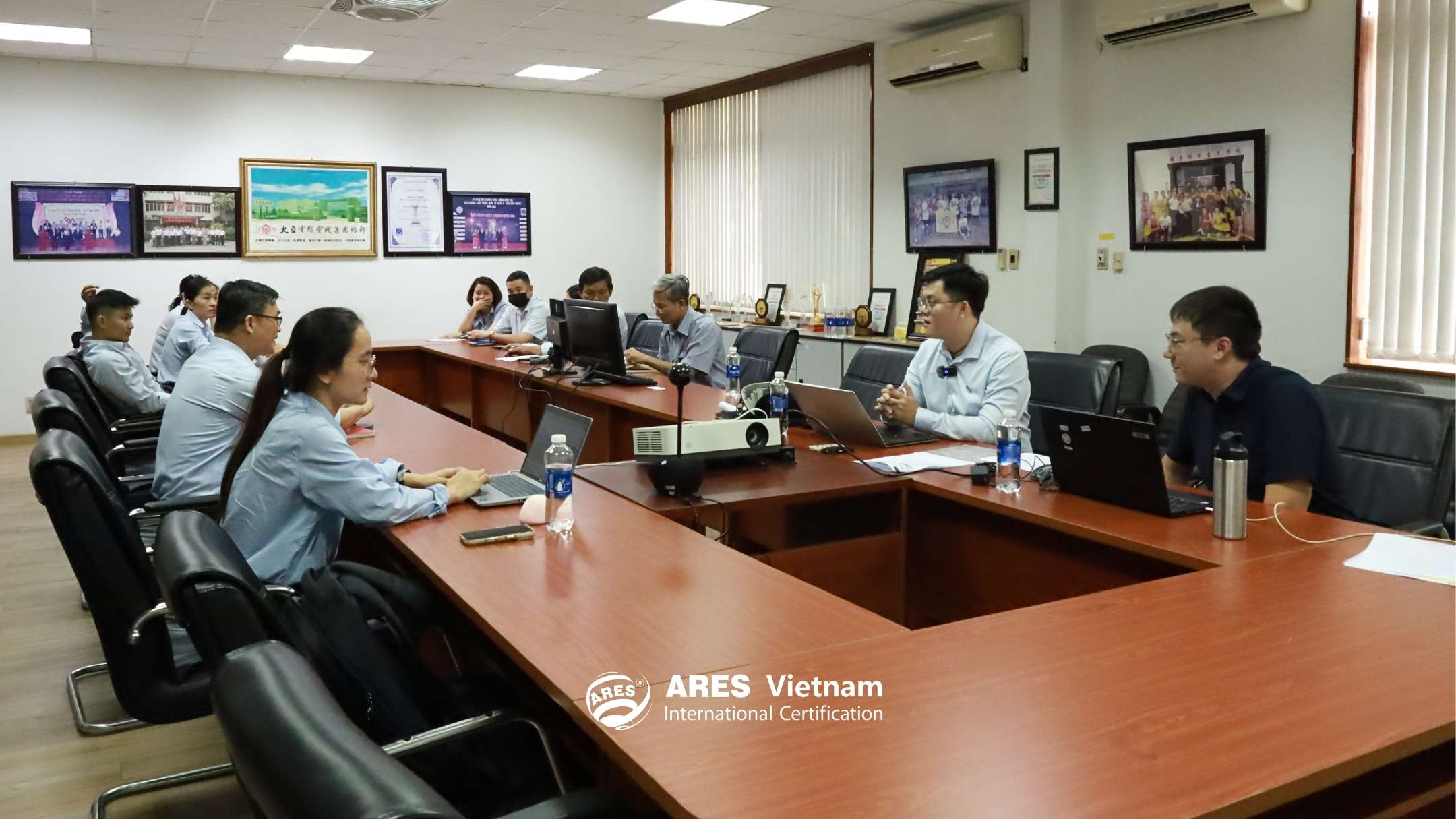
RESULTS AND SIGNIFICANCE
The audit results show that Taya Vietnam has gradually built a greenhouse gas inventory foundation in a systematic and clear manner. From identifying emission sources to organizing data for calculation and reporting, the company has developed an approach aligned with the requirements of ISO 14064-1:2018.
Standardizing the inventory methodology not only improves the reliability of internal data but also enables the company to monitor emission trends, support energy management decisions, and optimize operations.
ARES Vietnam highly appreciates the close cooperation and serious preparation demonstrated by all relevant departments throughout the audit process. This serves as an important foundation for Taya Vietnam to continue improving its greenhouse gas inventory system and effectively meet the increasing requirements for transparency, disclosure, and sustainable development in the future.
Related news

Circular 49/2026/TT-BCT Takes Effect Soon: Which Environmental Records Should Factories Review?
Read more

ARES Vietnam Conducts the Second ISO 9001:2015 Surveillance Audit at KAISER 1 & KAISER 2 (Vietnam)
Read more

National Single Window and ASEAN Single Window: What Documents Should Import–Export Businesses Prepare?
Read more
ARES Vietnam Awards ISO 9001:2015 Certification to Simona Leather Company Limited
Read more
ARES Vietnam Conducts ISO 9001:2015 Surveillance Audit at Simona Leather Company Limited
Read more