
ISO 46001:2019
Optimise Water Resource Management According to International Standards
Based on Singapore’s national water management model, renowned for its world-class efficiency, ISO 46001 serves as a global standard for sustainable operational strategy

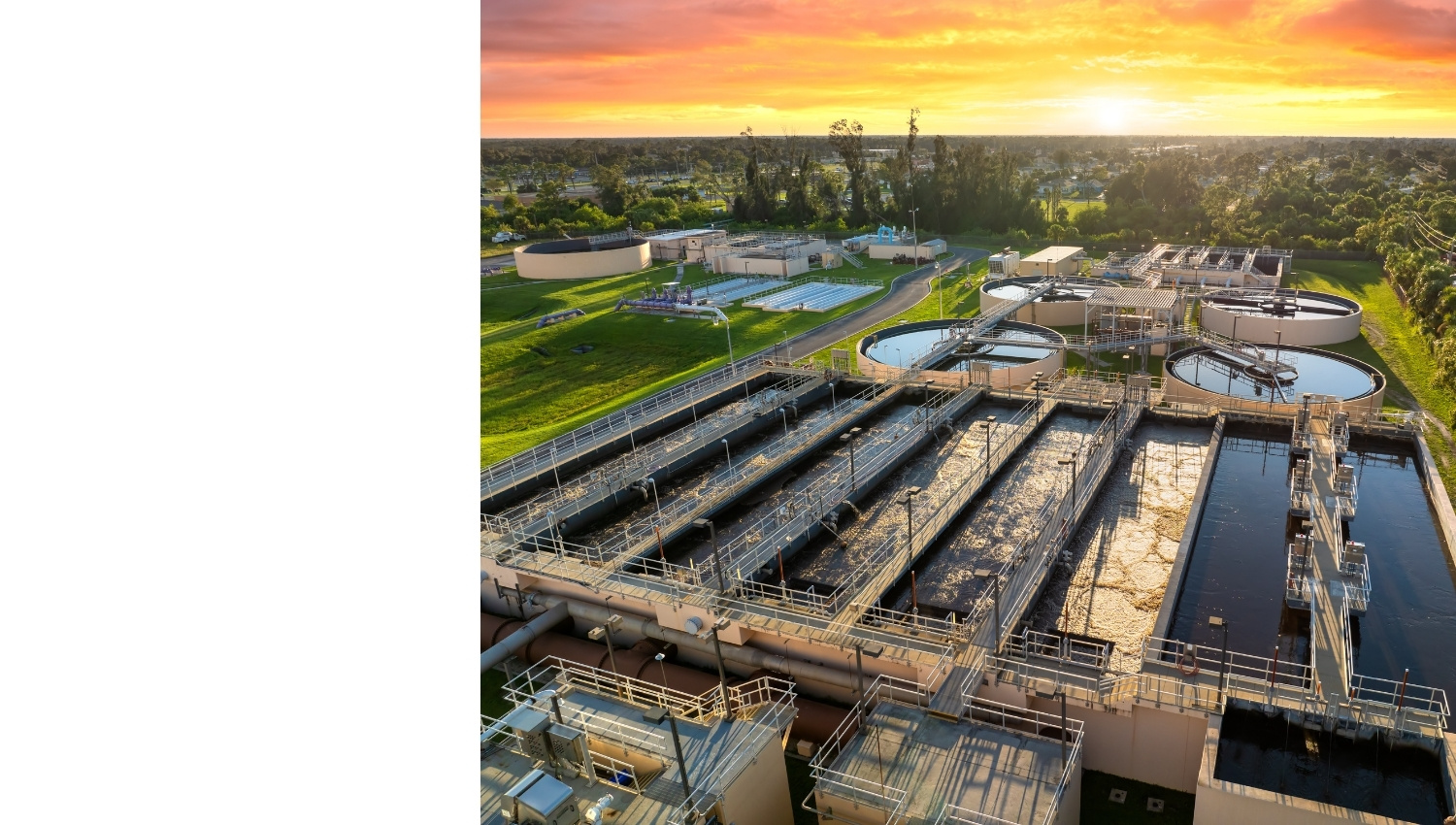
Water Resource Pressures on the Manufacturing Sector
Water resources are increasingly becoming a strategic variable in operations—both as a rising cost factor and as an element subject to growing scrutiny under global standards
– 36% of industrial parks in Vietnam face a high risk of severe water shortages during the dry season, directly impacting production activities
– Water costs for industrial production are projected to increase by 20–30% over the next five years, placing significant pressure on businesses
– More than 50,000 European companies are subject to the CSRD, requiring Vietnamese businesses within their supply chains to ensure transparency of water-related data in ESG reporting.

Businesses
A Pioneering Factor in the Journey to Protect Water Resources
Efficient Water Use – A Present Responsibility, A Future Strategy
In the context of declining water resources, many industries - particularly manufacturing and processing - are facing increasing operational risks. Therefore, organisations need to proactively:
Optimise production processes to reduce water consumption.
Implement wastewater reuse and recirculation technologies.

Ensure compliance with environmental standards across the entire value chain.
These improvements enable businesses to reduce costs while strengthening credibility and enhancing investment attractiveness. In this context, ISO 46001 serves as a strategic tool that enables organisations to manage water in accordance with international standards, providing a solid foundation for sustainable development

ISO 46001:2019 Standard Overview
An international framework enabling organisations to use water efficiently and sustainably
ISO 46001 is an international standard for Water Efficiency Management Systems (WEMS), providing a comprehensive framework for managing and optimising water use within organisations.
This standard helps organisations reduce costs, minimise resource waste, and demonstrate environmental responsibility—an aspect that is increasingly valued by customers, investors, and global supply chains.
Through its core requirements, ISO 46001 enables organisations to:
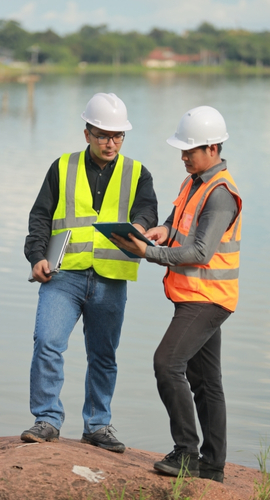

Accurately assess current water use through data-driven and scientifically based methods
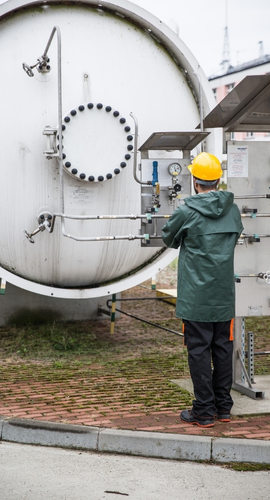

Establish improvement objectives aimed at reducing consumption and enhancing water use efficiency
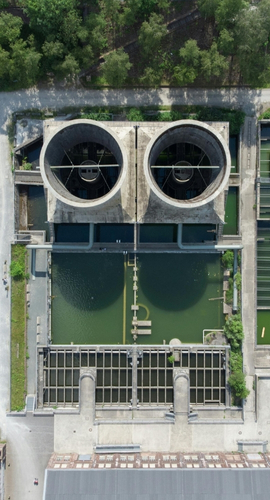

Integrate water management into operational strategies and sustainable development initiatives
Practical Impacts of
ISO 46001:2019

Data-driven management rather than intuition-based decision-making
A measurement system enables organisations to clearly identify where water is being consumed, the causes of inefficiencies, and potential leakage points
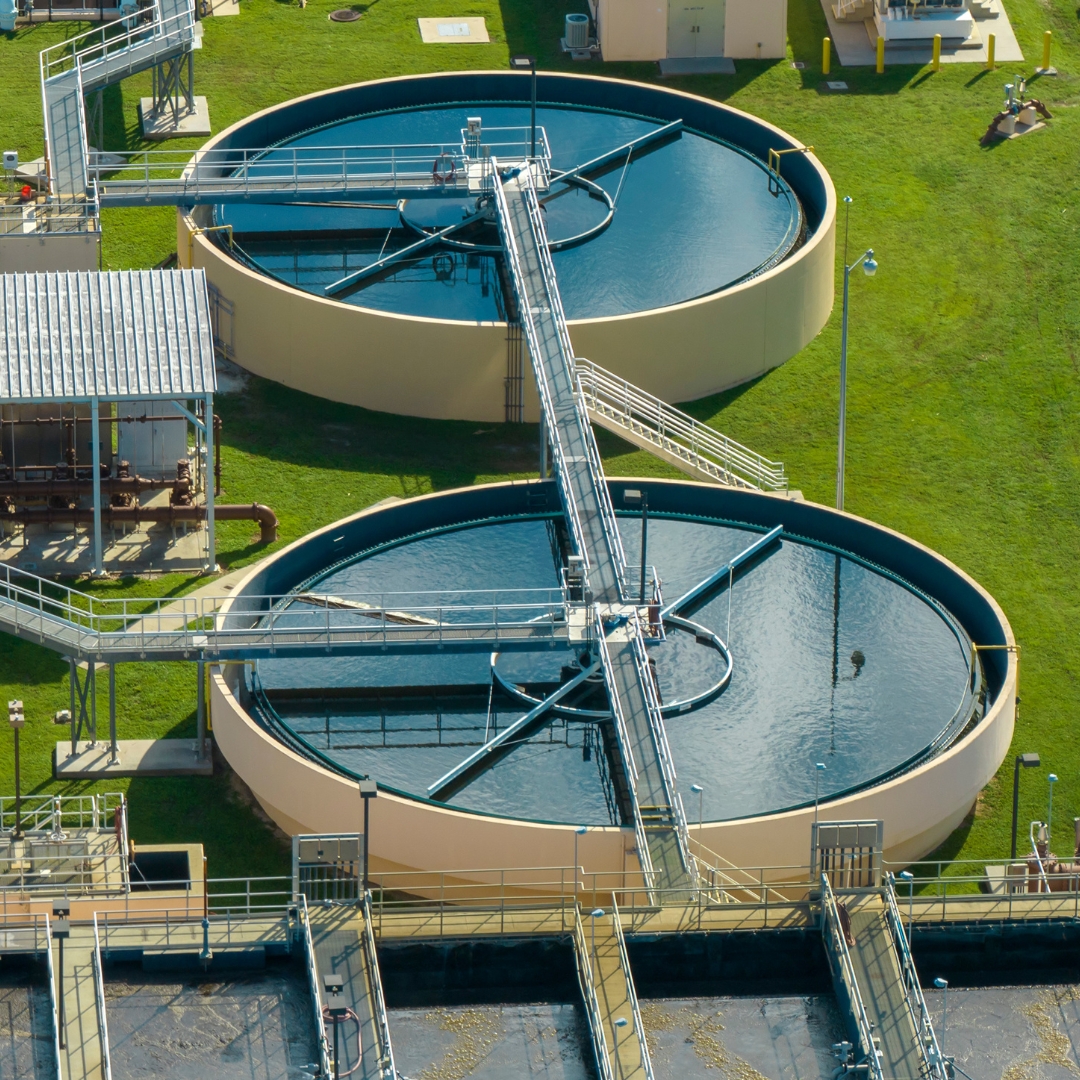
Optimise the operation of the entire water system
From water supply to discharge and recirculation, organisations can both reduce costs and alleviate pressure on infrastructure and the environment

Proactively address water scarcity
Water-saving and reuse solutions are integrated into production processes, helping to reduce the risk of operational disruptions
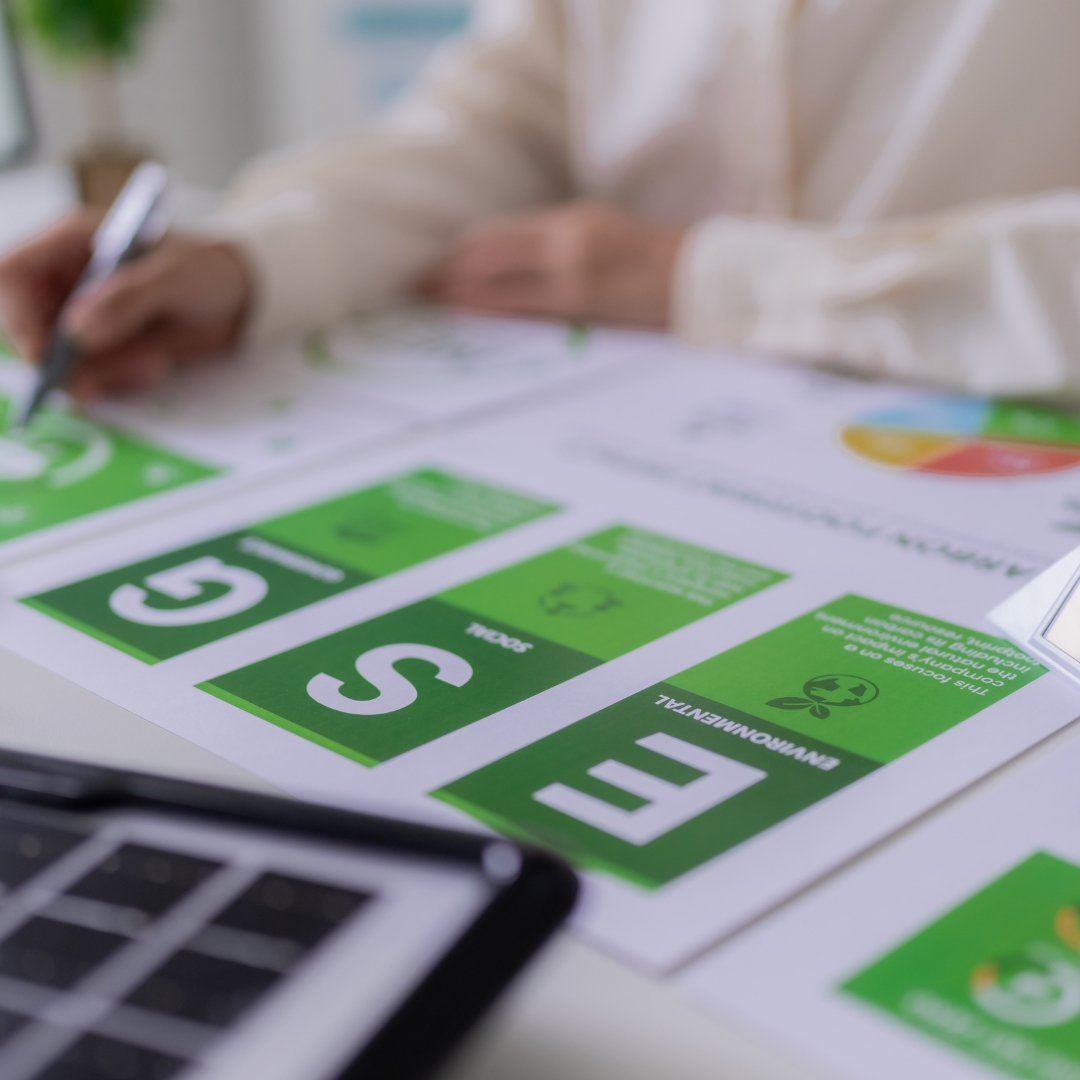
Enhance compliance and transparency
Standardised data that can be readily integrated into ESG reporting, meeting audit requirements and demonstrating environmental responsibility


Which Organisations Are Required
to Obtain ISO 46001:2019 Certification?
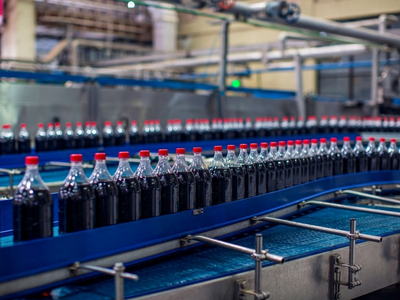
Any organisation that uses water at a significant scale, particularly in manufacturing and service operations - should adopt ISO 46001 to optimise operations and meet regulatory and ESG requirements
This standard is particularly relevant for:


ARES VIETNAM – ISO 46001:2019 CERTIFICATION PARTNER
GLOBALLY RECOGNISED
As a member of the global ARES network, ARES Vietnam provides ISO 46001:2019 certification recognised by reputable international organisations, partnering with businesses on their journey toward sustainable development

3 Reasons to Choose ARES Vietnam
ISO 46001:2019 CERTIFICATION PROCESS
AT ARES VIETNAM
A 6-step standardised process, accompanying organisations from consulting to certification

CONTACT ARES VIETNAM
Please contact ARES Vietnam via our hotline or official social media channels

RECEIVING REQUIREMENTS
Based on the information provided by the organisation, we prepare a quotation and sign a contract

CONDUCT ASSESSMENT
Assess the current system and propose adjustments to operational processes

SUPERVISING EXPERT
Support organisations in addressing non-conformities to ensure compliance with assessment requirements

CERTIFICATION ISSUANCE
Organisations that meet the requirements will be granted certification through ARES Vietnam’s recommendation to the certification body

REASSESSMENT
During the 3-year validity period, annual surveillance must be conducted to maintain the certification

SAMPLE ISO 46001:2019 CERTIFICATE
ISSUED BY ARES VIETNAM
ISO 46001:2019 certificates issued by ARES Vietnam bear the IAS and IAF marks – guaranteeing their value and global recognition
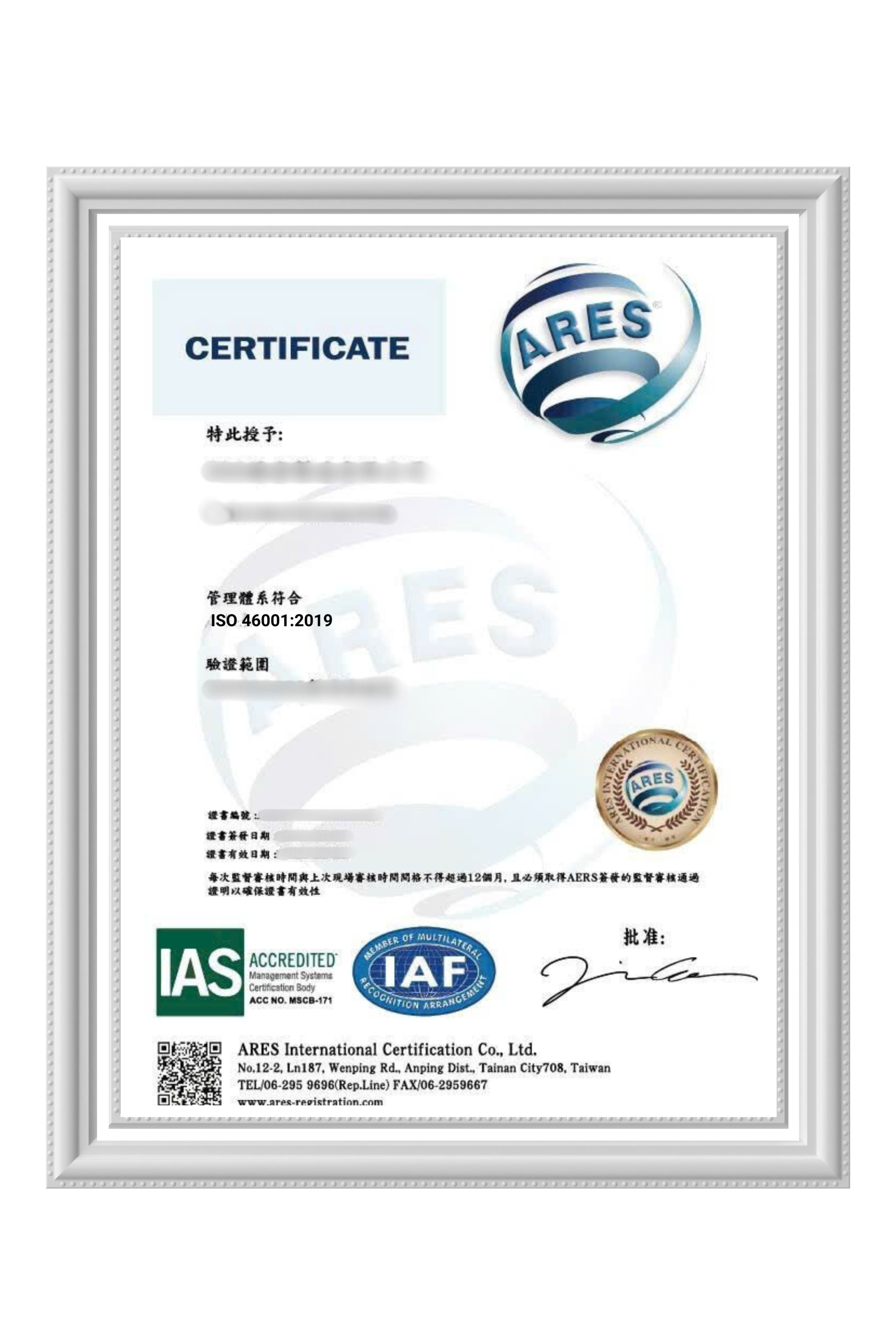
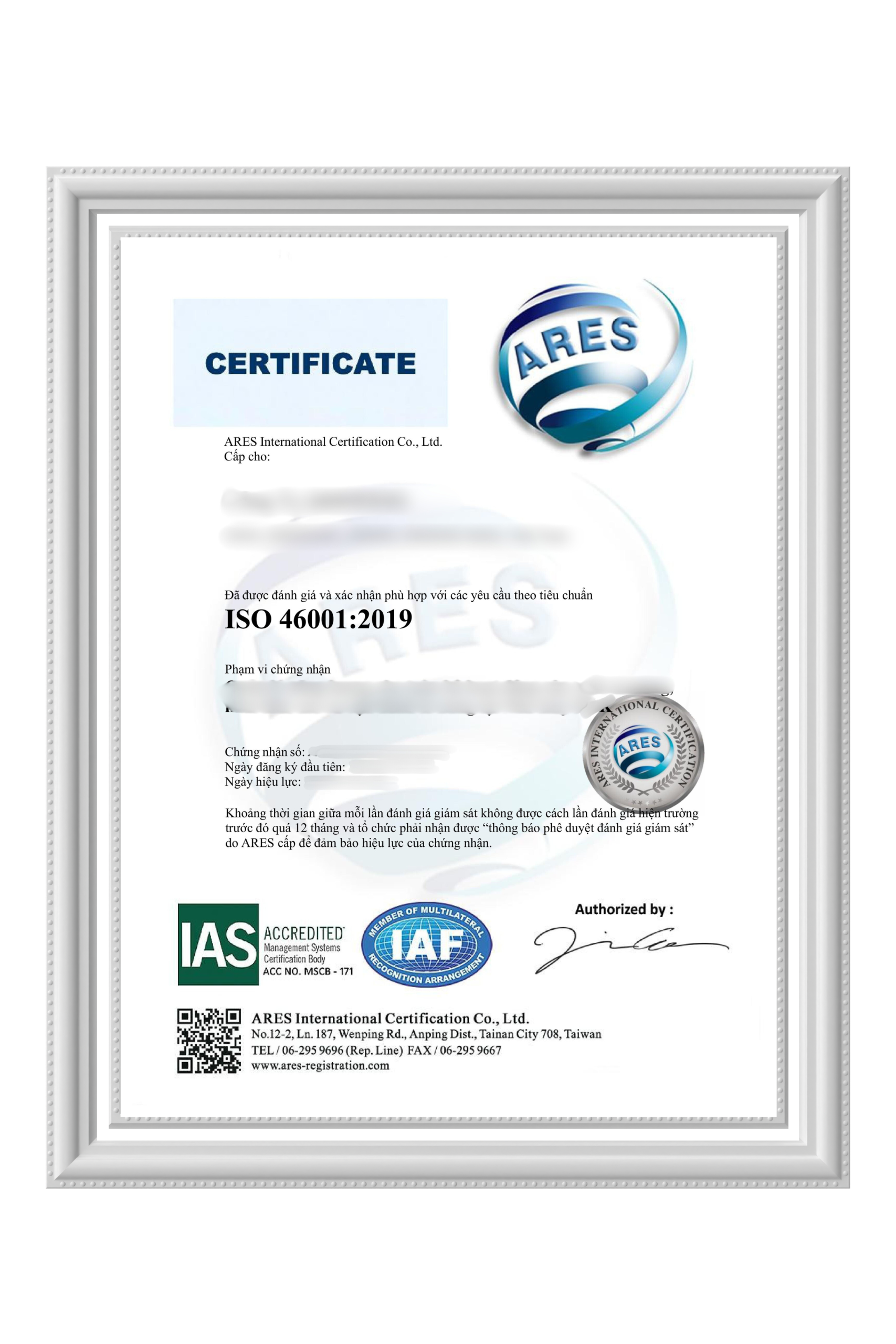
*Illustrative image of an ISO 46001:2019 certificate issued by ARES Vietnam

EXCLUSIVE OFFERS FOR BUSINESSES
ISO 46001:2019 CERTIFICATION
Accompanying businesses on their path to sustainable development, ARES Vietnam provides tangible advantages, helping save costs, streamline operations, and increase the value of water management systems
- Certification fee reduction for organisations implementing ISO for the first time
- Special incentives for registration integrating two or more standards
- Receive 10 Internal Auditor Certificates
- Free Pre-audit Consultation – Reviewing the System Prior to Assessment
- Priority scheduling for early assessment and support for fast certificate issuance
*Service incentives applicable to organisations registering via the Website



FREQUENTLY ASKED QUESTIONS ABOUT ISO 46001:2019 CERTIFICATION
-
What Should Organisations Prepare Before Implementing ISO 46001:2019?
First, organisations should review current water consumption data, identify key usage points, analyse potential savings, and secure senior management commitment to water resource management
-
Is the Cost of Implementing ISO 46001:2019 High?
Implementation expenses are minor compared to the resulting advantages. The investment level depends on the organisation’s size, the current state of its systems, and the scope of implementation. Many organisations can recoup their investment from operational cost savings within a short period.
-
Can ISO 46001:2019 Be Integrated with Other ISO Standards?
It is entirely possible. ISO 46001 is designed for seamless integration with management systems such as ISO 9001 (Quality), ISO 14001 (Environmental), and ISO 50001 (Energy), enabling optimal resource use and coordinated operations
-
What Challenges Do Organisations Commonly Face When Implementing ISO 46001:2019?
Common obstacles include: lack of input data on water consumption, absence of clear monitoring procedures, unclear allocation of responsibilities among departments, and insufficient technical personnel experienced in water resource management
-
Is Implementing ISO 46001:2019 Complex and Time-Consuming?
No. With an appropriate roadmap, organisations can build and finalise the system within 1–3 months. ISO 46001 focuses on measuring, controlling, and optimising water consumption, so it does not disrupt business operations.