
AA1000
GUIDING PRINCIPLE OF ACCOUNTABILITY & TRANSPARENCY FOR SUSTAINABILITY REPORTING
Trusted by numerous leading organisations worldwide, the AA1000 standard helps businesses elevate their reports according to its four core principles—enhancing transparency and credibility with investors and international partners


Why Is AA1000 Chosen by Organisations Worldwide?
From Accountability to Transparent Engagement – AA1000 Affirms Its Foundational Role in ESG Reporting and Sustainable Development
Developed by AccountAbility (United Kingdom) since 1999, the AA1000 standards were officially released in 2003 and have been continuously updated to meet the increasing demands for transparency, accountability, and stakeholder engagement in corporate governance.
With three main components, AA1000 provides a comprehensive standard framework for organisations in developing and evaluating non-financial reports.
AA1000AP – Accountability Principles Standard and Stakeholder Engagement
AA1000SES – Stakeholder Engagement Standard
AA1000AS – Assurance Standard for ESG Reporting
The Key to Elevating
Sustainable Governance

Transparent Foundation – ESG Disclosure
Establish a solid foundation for responsible and reliable ESG reporting

Standard Process – Effective Engagement
Standardising international approaches for consulting and engaging with stakeholders

Global Linkage – Reporting Framework Connection
Establish logical connections with international standards and reporting frameworks such as GRI, TCFD, and SDGs, enhancing the reference value of reports

Ensuring Independence – Enhancing Credibility
Enhance the credibility and strategic value of ESG reports through independent assessment and assurance

Strategic Pieces for Comprehensive ESG
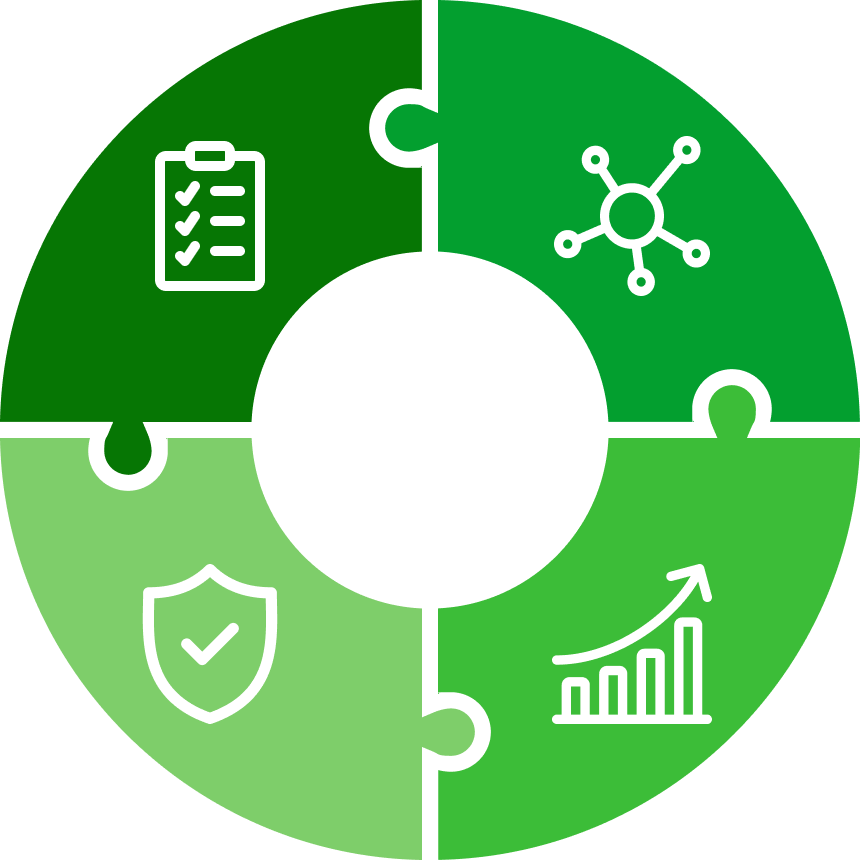
The AA1000 standards not only support organisations in transparent ESG disclosure, but also provide a strategic foundation to systematise and enhance ESG implementation effectiveness.
-

01. Standardising the ESG Approach
Based on international principles, ensuring transparency, accountability, and verifiability
-

02. Connecting Stakeholders
Establish a structured process to consult, listen, and respond effectively to stakeholders
-

03. Enhancing Credibility & Competitiveness
Demonstrate a clear ESG commitment, thereby strengthening the trust of investors, customers, and the community
-

04. Towards Genuine Sustainable Development
Not just reporting ESG on paper, but building a management system capable of measuring, improving, and being accountable for its impacts
AA1000 serves as a bridge between ESG objectives and operational practice – helping organisations shift their mindset from “ESG Reporting” to “Comprehensive ESG Management.”

4 Core Principles
of Sustainable Governance
The AA1000 standards provide a solid foundation for all ESG systems, guiding organisations towards transparency, accountability, and the creation of sustainable impact.

1. Comprehensiveness: Organisations need to fully identify and actively engage stakeholders throughout the decision-making process. This forms the foundation for developing an inclusive, fair, and widely supported sustainable development strategy.

2. Materiality: Accurately identify the ESG issues that have the greatest impact on the organisation and its stakeholders. This enables focusing resources on the most meaningful areas, enhancing governance effectiveness and long-term contribution.

3. Responsiveness: Organisations should demonstrate their ability to respond through concrete, transparent, and timely actions addressing stakeholder concerns. This serves as an indicator of adaptability, accountability, and continual improvement.

4. Impact: Monitor, measure, and transparently disclose the positive and negative impacts created by the organisation on the environment, society, and economy. This provides tangible evidence of strategic effectiveness and the company’s commitment to sustainable development.

Which Organisations Should Implement AA1000?
Not only for large corporations – AA1000 is a standards framework suitable for any organisation pursuing transparency, accountability, and sustainable development


Frequently Asked Questions about the AA1000 Standard
-
Is AA1000 mandatory for organisations publishing sustainability reports?
While not compulsory, AA1000 is a reputable international framework commonly applied to improve the credibility and transparency of ESG reporting, enabling organisations to show accountability and build stakeholder confidence.
-
Is AA1000 similar to GRI or CSRD?
Unlike GRI and CSRD, which provide guidance on report content and structure, AA1000 focuses on foundational principles—particularly the processes for stakeholder consultation and response, and ensuring reports are verifiable.
-
For organisations already implementing GRI, TCFD, or other ESG standards, is it necessary to adopt AA1000 as well?
It should be noted that AA1000 is not overlapping but complementary to frameworks like GRI and TCFD, by standardising stakeholder consultation and response processes.
When integrated, AA1000 enhances the depth, transparency, and reliability of the entire ESG reporting system. -
Which organisations should adopt AA1000?
AA1000 is not only for large corporations but is suitable for any organisation pursuing sustainable development—from businesses publishing ESG reports and requiring independent assurance to non-profits and financial institutions.
For small and medium-sized enterprises, AA1000 offers a flexible and practical choice to build a solid ESG foundation from the outset, enhancing long-term competitiveness. -
What should organisations prepare before implementing AA1000?
A clear internal data system is essential—especially ESG information and stakeholder consultation processes. Organisations with prior sustainability reporting experience will have a significant advantage when implementing AA1000.
-
How much budget is needed to perform AA1000 assurance?
The cost of independent assurance under AA1000AS depends on the organisation’s size, the maturity of its ESG reporting system, and the quality of input data. Organisations with a well-established ESG foundation can optimise both cost and implementation time.
-
Is it mandatory for organisations to ensure independence under AA1000?
Not mandatory. However, if an organisation wishes its ESG report to be assessed by a competent third party, AA1000AS is an internationally recognised standard for independent assurance. This enhances the credibility and reliability of the report, particularly in transactions with investors, financial partners, or the global market
-
Does implementing AA1000 support fundraising or participating in international tenders?
Yes. Adhering to the principles of AA1000—particularly when an ESG report is independently assured by a third party—serves as clear evidence of transparency and accountability. This provides a significant advantage in fundraising, bidding processes, or collaboration with ESG funds, international financial institutions, and global supply chains
-
What is the validity period of AA1000 assurance assessments? Does an organisation need to undergo reassessment?
Assurance under AA1000 is typically conducted on an annual basis, linked to each specific sustainability report. If an organisation wishes to maintain the credibility and value of its reports over the years, it is necessary to carry out periodic reassessments—while simultaneously updating and improving the management system based on feedback and current standards

AA1000 Standard Registration Requirements
ARES Vietnam is officially authorised by AccountAbility (United Kingdom), ensuring the authority and competence to conduct assessments in accordance with the AA1000 standard.
To register for the assessment and certification of a published sustainability report or disclosed sustainability information, an organisation must meet certain fundamental requirements regarding its information disclosure system, data readiness, and the extent of stakeholder engagement.
Please complete the certification assessment registration form below – the expert team at ARES Vietnam will contact you to provide consultation and detailed guidance on the next steps of the process.