Government Issues Decree 30/2026/ND-CP: What Should Businesses
On January 21, 2026, the Government officially issued Decree 30/2026/ND-CP, providing detailed guidance for the implementation of the Law on Energy Efficiency and Conservation. This marks an important step in strengthening the legal framework to enhance control and optimize energy use in production, business operations, and building management.
More importantly, the Decree goes beyond compliance requirements. It reflects a clear shift in how businesses approach energy management—from passive operation to a structured and systematic management model aligned with sustainable development strategies.
What Are The Key Provisions of Decree 30/2026/ND-CP?
After more than a decade of applying Decree 21/2011/ND-CP, Vietnam’s regulatory system on energy use has been comprehensively updated. In this context, Decree 30/2026/ND-CP not only inherits previous regulations but also clarifies the amendments introduced in the 2025 Law. At the same time, it provides more practical implementation mechanisms.
The key provisions include:
• Management of key energy-consuming facilities: Facilities with high energy consumption are required to establish management, monitoring, and periodic reporting systems. In addition, they must conduct energy audits to assess efficiency.
• Control of energy use in the public sector: Government agencies and publicly funded organizations must implement measures to reduce waste and improve operational efficiency.
• Energy labeling for equipment and construction materials: The Decree enhances transparency in energy performance information. As a result, businesses and consumers can make more informed decisions.
• Development of the Energy Service Company (ESCO) market: It encourages the participation of specialized organizations. Furthermore, it promotes financial support mechanisms for energy efficiency projects.
• Strengthening inspection, audit, and supervision: Enforcement activities are tightened to ensure energy use is both compliant and efficient.
Overall, these provisions create a foundation for standardizing energy management across the economy. At the same time, they establish clear expectations for relevant organizations.
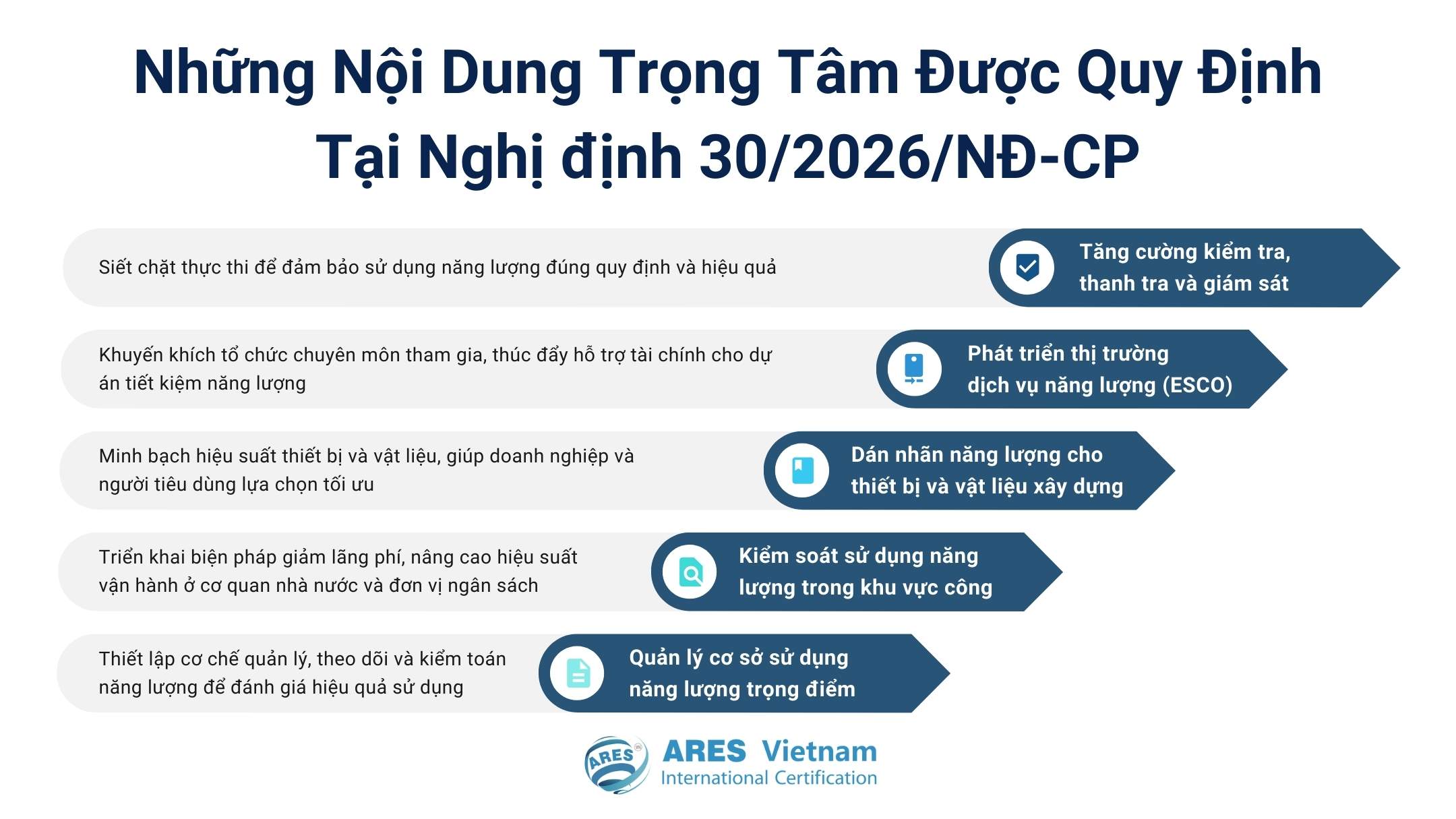
Key Provisions of Decree 30/2026/ND-CP
Which Businesses Are Directly Affected?
Decree 30/2026/ND-CP does not apply uniformly to all businesses. Instead, it focuses on organizations with high energy consumption or significant impact on the national energy system.
The main target groups include:
1. Energy-intensive manufacturing facilities
This is especially relevant for industries such as steel, cement, textiles, chemicals, and food processing. These sectors have high energy intensity and strong potential for efficiency improvements.
2. Large commercial buildings and service facilities
This includes shopping malls, office buildings, hotels, and other facilities with substantial electricity consumption during operations.
3. Enterprises classified as “key energy users”
These are organizations whose energy consumption exceeds the threshold defined by the Ministry of Industry and Trade. They are required to fulfill obligations related to energy management, reporting, and energy audits.
As a result, this group is subject to stricter monitoring. Therefore, they need to establish structured energy management systems to ensure compliance.
What Should Businesses Pay Attention To For Compliance?
Before implementing technical solutions, businesses should clearly identify compliance obligations and legal risks. These are critical factors that determine the level of compliance once the Decree is enforced.
1. Accurately determine the scope of application
Businesses should compare their actual energy consumption with regulatory thresholds. This helps determine whether they fall under the “key energy user” category. Accurate identification ensures full compliance with legal obligations.
2. Energy audits are mandatory
Energy audits are now a required activity. They must be conducted on schedule and cover a comprehensive scope.
3. Energy data must be managed systematically
Without proper measurement and monitoring systems, businesses may face difficulties in reporting. In addition, it limits the ability to control energy performance effectively.
4. Compliance pressure extends beyond domestic regulations
Energy efficiency and emission reduction requirements are increasingly aligned with international standards. This is especially important for businesses participating in global supply chains.
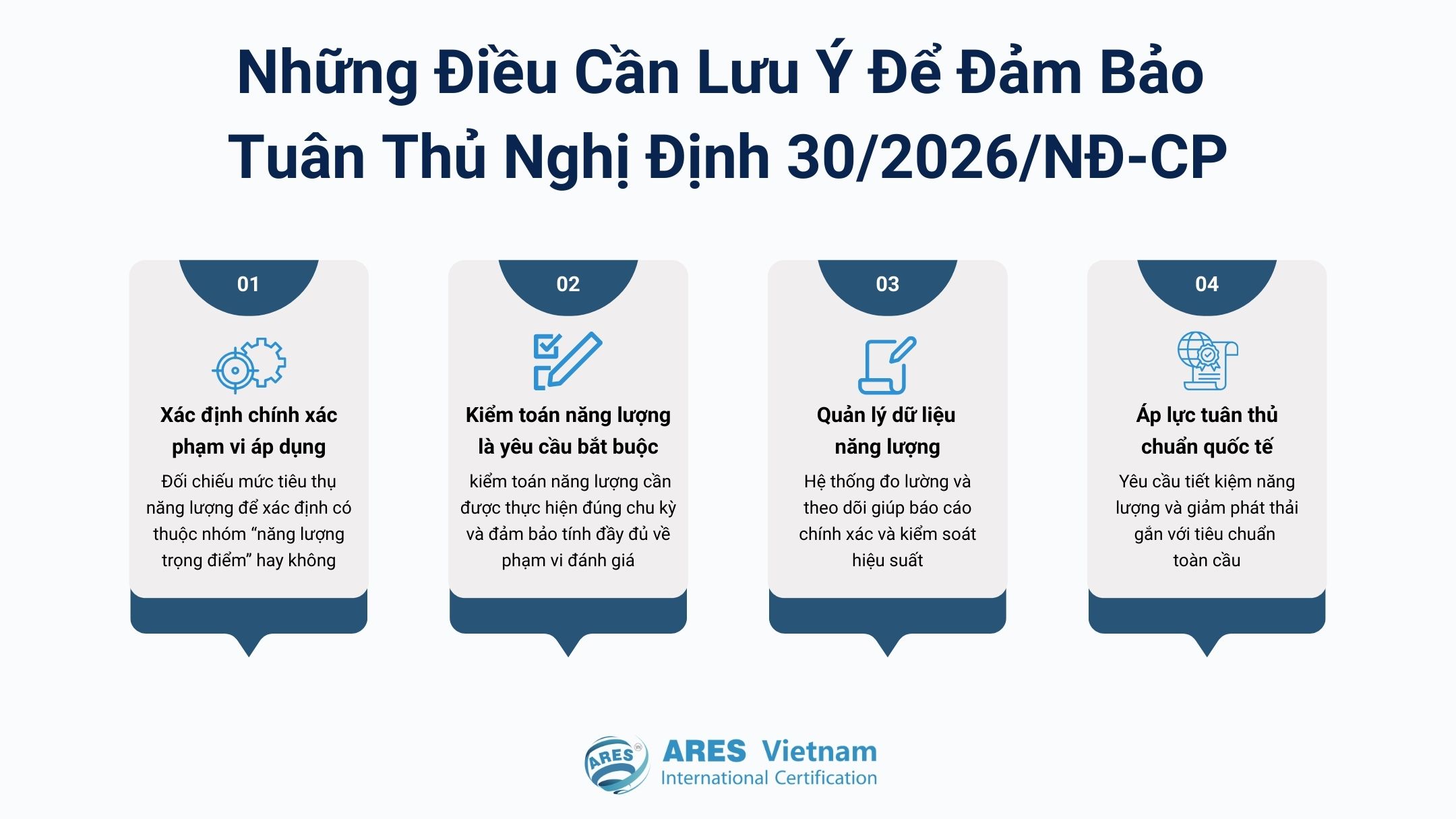
Key considerations for ensuring compliance with Decree 30/2026/ND-CP
How Should Businesses Prepare?
To effectively meet the requirements of Decree 30/2026/ND-CP, businesses can follow these directions:
1. Conduct a comprehensive assessment of current energy use
Businesses should carry out a full review to:
- identify electricity and fuel consumption across each process
- evaluate equipment and system performance
- detect areas with high energy consumption
→ This serves as the basis for developing appropriate optimization solutions.
2. Perform periodic energy audits
Energy audits provide a comprehensive evaluation of energy consumption and efficiency. They help to:
- identify inefficiencies and energy losses
- propose feasible energy-saving solutions
- improve overall system performance
→ Regular implementation not only ensures compliance but also delivers clear cost-saving benefits.
3. Establish an energy management system aligned with international standards
Many businesses choose to implement ISO 50001 – Energy Management System as a long-term solution. This system helps to:
- establish a structured energy control mechanism
- integrate energy management into operations
- identify and leverage energy-saving opportunities
- support compliance with legal and international requirements
→ More importantly, ISO 50001 enhances competitiveness in global supply chains.
4. Set up energy monitoring and reporting systems
Alongside internal improvements, businesses should ensure reporting capabilities through:
- energy measurement and data collection systems
- periodic monitoring and analysis mechanisms
- reporting processes aligned with regulatory guidance
→ This forms the foundation for maintaining transparency and long-term control.
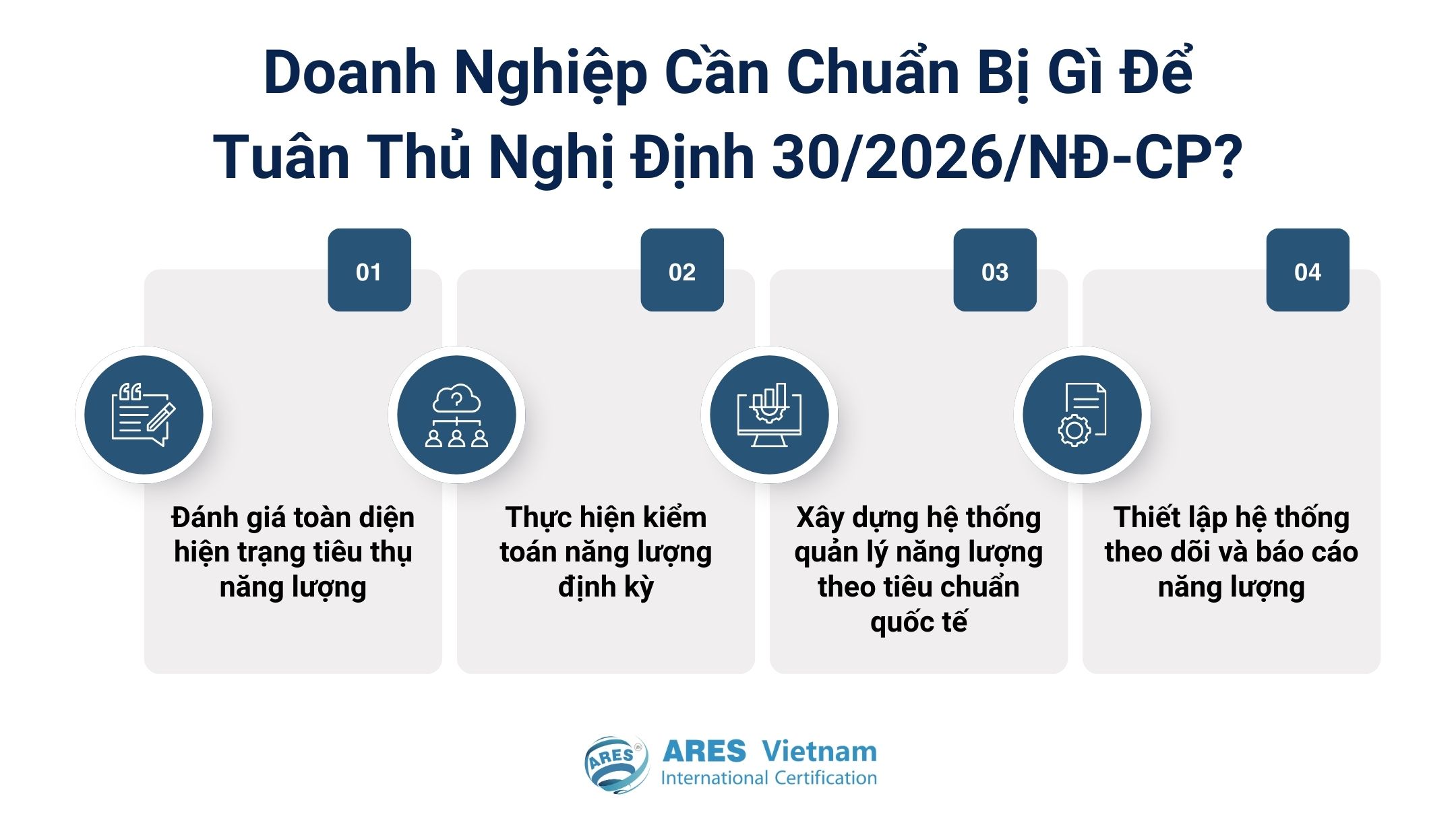
What should businesses prepare to comply with Decree 30/2026/ND-CP?
Energy Management: From Compliance Requirement To Competitive Advantage
In the context of rising energy costs and increasingly stringent international standards, energy management is no longer optional. Instead, it has become a strategic necessity.
Businesses that proactively build energy management systems can ensure legal compliance. At the same time, they can optimize operating costs, improve efficiency, and strengthen their competitive position in global supply chains.
With extensive experience in management system assessment and certification, ARES Vietnam supports businesses in implementing and certifying ISO 50001 in line with international standards. As a result, enterprises can build a structured energy management foundation and achieve sustainable long-term development.
Related news

CBAM 2026: What Obligations Must Vietnamese Businesses Fulfill In the Full Implementation Phase?
Read more

Vietnam Legal Regulations 2026: Key Compliance Priorities for Taiwanese Enterprises
Read more

ARES Vietnam Year End Party 2025 – A Brilliant Journey, Growing Stronger Together
Read more
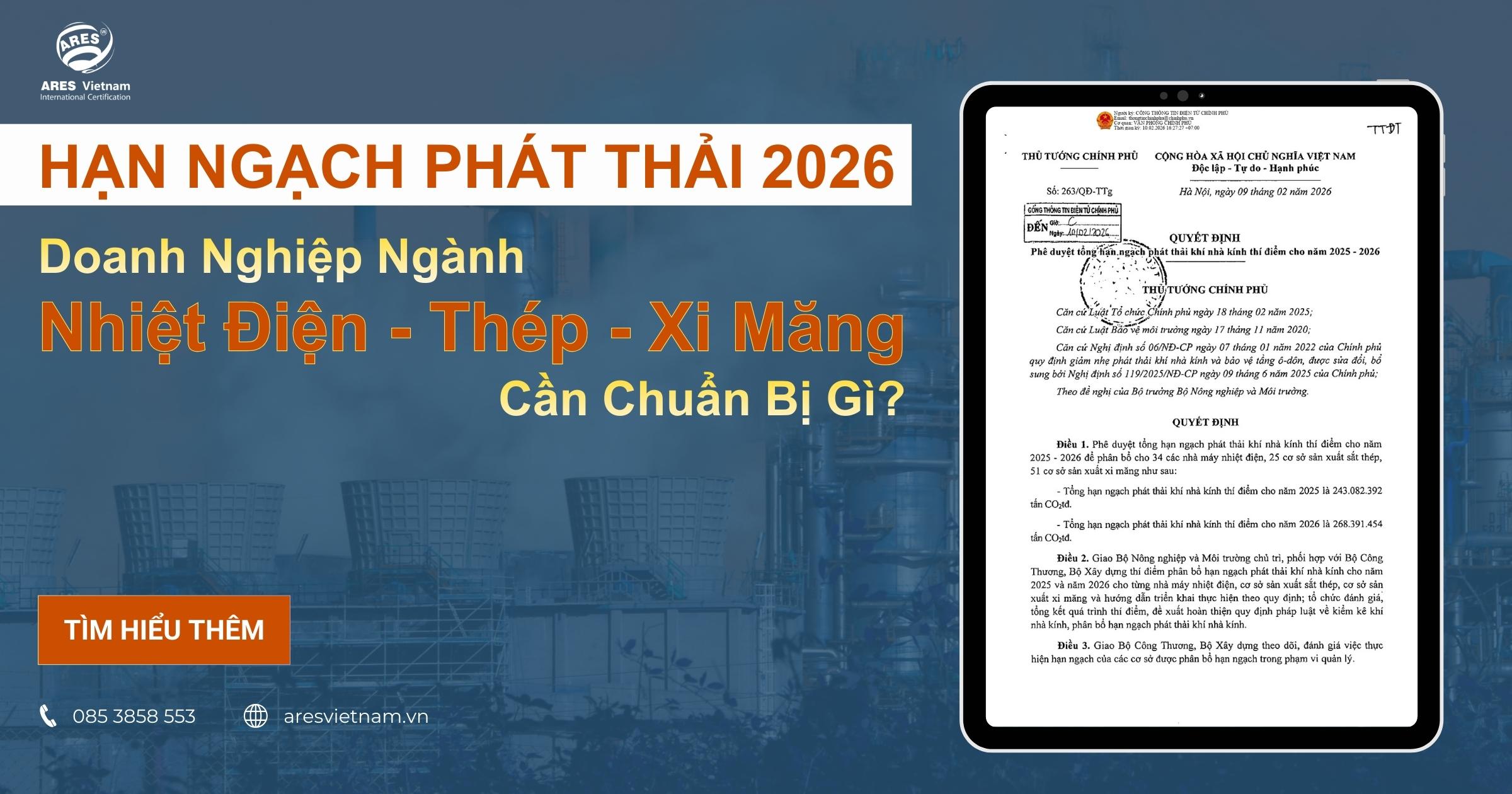
Emission Quotas 2026: What Should Businesses in the Thermal Power, Steel, and Cement Industries Prepare?
Read more
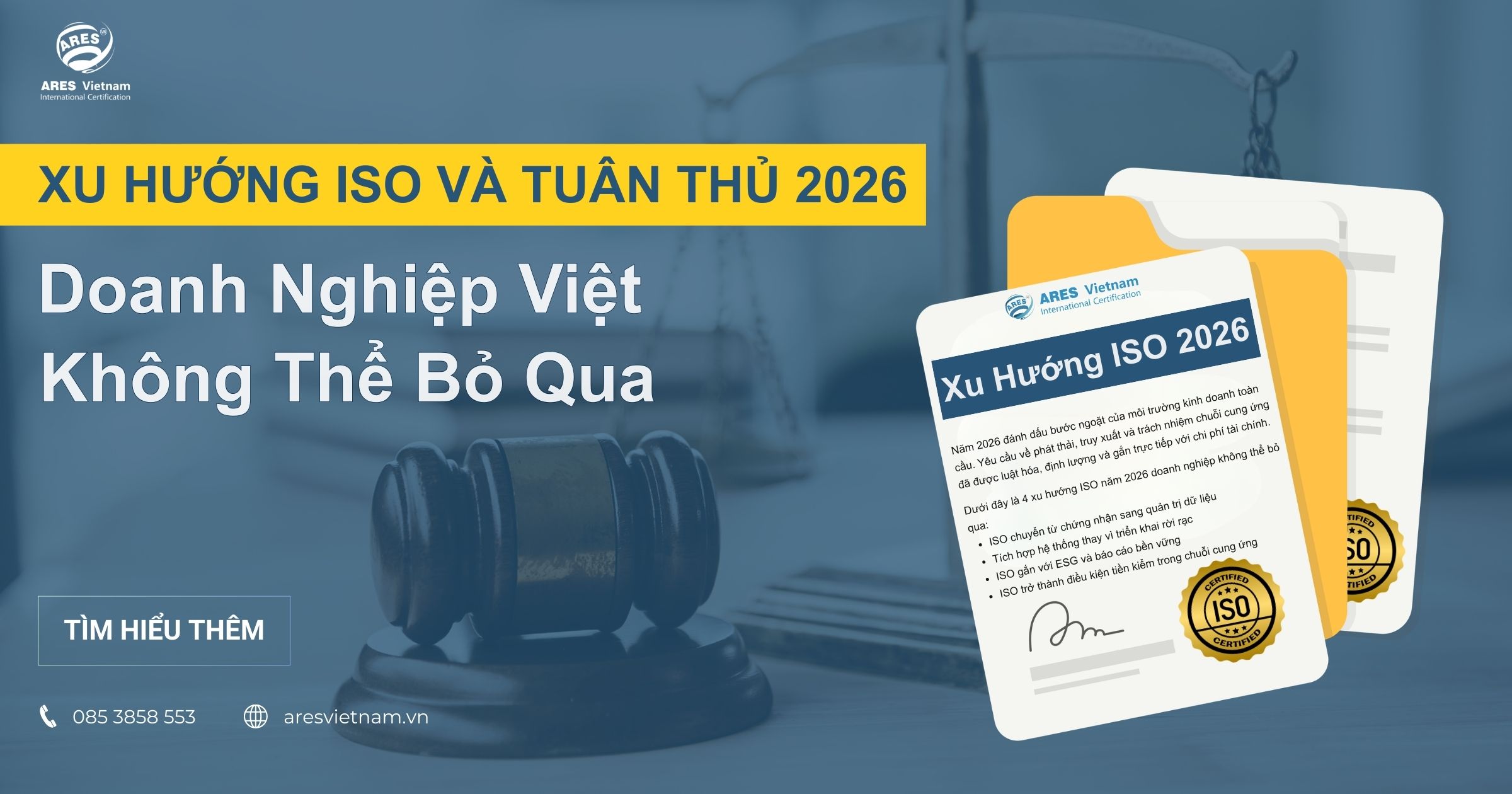
ISO And Compliance Trends In 2026 That Vietnamese Businesses Should Not Overlook
Read more